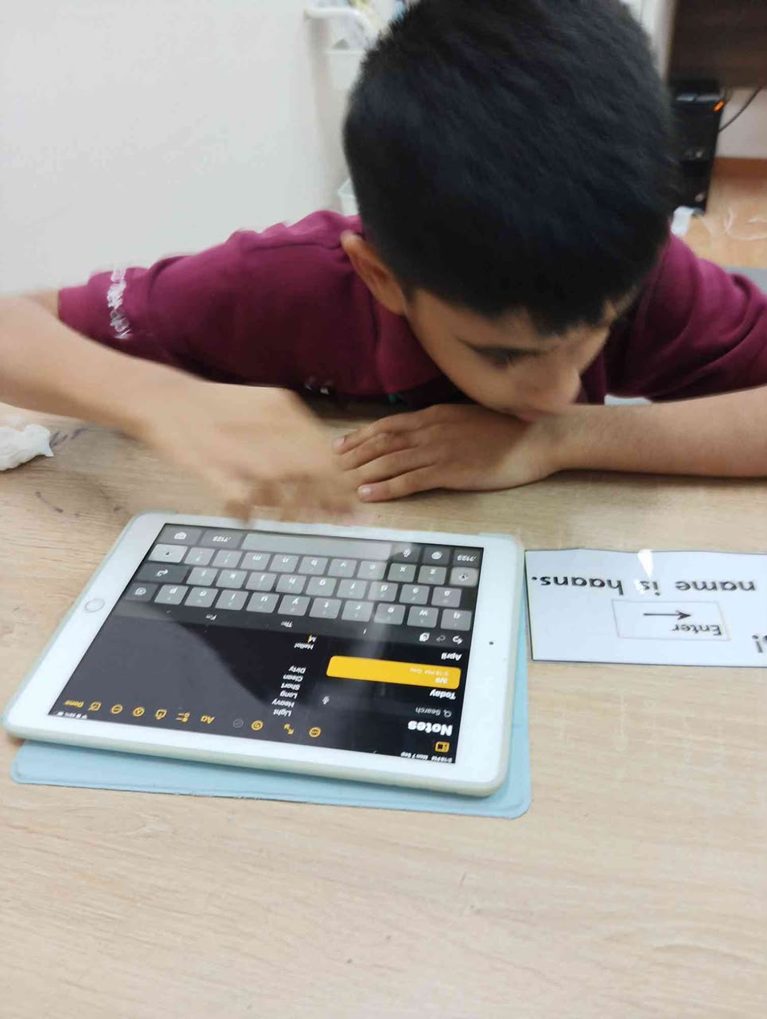
Explore how AAC communication gives AAC users more than a way to request. Learn AAC communication strategies that support voice, choice, emotions and participation.

World Down Syndrome Day is celebrated on the 21st of March every year. It is a day sanctioned by the United Nations since December 2011, at the General Assembly where it was declared. The purpose is to raise public awareness around the world. Every year, there are different themes to highlight the plight of the global community and move the needle towards better support and inclusion. Nevertheless, the early intervention is key to creating towards guiding individuals with Down syndrome require early intervention. This is crucial for children with Down syndrome to help them reach their full potential and promote their overall development.

The concern of an autistic child getting lost can be amplified due to the unique challenges their children might face. Autistic children may have difficulty understanding danger, communicating their needs, or finding their way back to safety. It's crucial for parents to address this topic with sensitivity and clarity, and to implement practical safety measures to help prevent such situations.

For individuals with sensory processing challenges, particularly those with autism, finding effective ways to manage sensory input can be crucial. One powerful tool in the sensory integration toolkit is bouncing on a trampoline or gym ball. This simple activity offers a multitude of benefits that can help regulate sensory input, improve motor skills, and promote overall well-being.

Communication is the bedrock of human interaction, yet for individuals on the autism spectrum, expressing oneself can be a challenging journey. Augmentative and Alternative Communication (AAC) methods offer a lifeline, providing diverse tools and strategies to bridge the gap between silence and expression. For those with autism, AAC isn't just a means of communication; it's a pathway to empowerment, independence, and inclusion.

In the realm of supporting individuals with social and communication challenges, Social Stories have emerged as powerful tools for fostering understanding, empathy, and positive behavior. Developed by Carol Gray in the early 1990s, Social Stories are concise narratives designed to help individuals, especially those with autism spectrum disorders (ASD) or other developmental differences, navigate social situations with greater ease. This article explores the concept of Social Stories, their purpose, and the impact they can have on social development.

Kiwanis Malaysia Academy is thrilled to share its most impactful Special Education Needs (SEN) Symposium, is back for the 3rd year and this time it is LIVE at the Royal Chulan Damansara. Prepare to be INSPIRED by incredible speakers, who are experts in their own field. There will be lots of key takeaways during the sharing sessions by the speakers.

The Kiwanis Downs Syndrome Foundation's National Centre (KDSF - NC) was founded in 1989. It is no secret that most parents with a child who has Downs Syndrome, is often to KDSF for support, intervention and care. Help the them raise funds to keep the place running with minimal cost to parents.

Kiwanis Malaysia Academy (KMA) conducted a 2-day workshop for Special Education Teachers on 27 and 28 May 2023 at the Asia Pacific University (APU). The 2 full day training consisted of sessions on overall management of Special Education Needs (SEN) classrooms followed by more specific breakout sessions for Autism, Dyslexia and Down Syndrome.

Neurodiversity is a concept that refers to the natural diversity of human neurological states and conditions. The terms was first used first used by sociologist, Judy Singer. It recognises that differences in brain functioning and behaviour are normal and natural variations of the human experience, rather than a medical disorder or disease to be cured.
 Malay
 English