
It's the holy month of Ramadan and many families enjoy going to mosques together. It can be challenging especially when one has a neurodivergent child. In this piece, we share a compiled list of "Children Friendly Mosques" from various sources. While it is not necessarily neurodivergent friendly specifically, it is child friendly and it is a good start.

Desiree & Saiqa ~ Supporting U is back in March with the topic of Raising A Special Needs Individual is A Team Sport : Caregivers & their Relationships

Rare diseases, often referred to as orphan diseases, pose unique challenges to patients, caregivers, healthcare providers, and researchers worldwide. Despite their individual rarity, collectively, rare diseases affect a significant portion of the global population, presenting profound medical, social, and economic impacts. Understanding these conditions, their complexities, and the efforts to address them is essential for advancing medical knowledge and improving patient outcomes.

The world continues to move at warp speed and how we consume information or what we call "content" these days has evolved. Nevertheless, the needs of the neurodivergent community remains the same - more awareness, acceptance and understanding so everyone can co-exist in an environment that embraces everyone as the are. 5 mother's with neurodivergent children decided to move a little out of their comfort zones and create a Podcast called Kita Family!

As the vibrant colors of lanterns adorn the streets and the tantalizing scent of dumplings fills the air, Chinese communities around the world prepare to welcome the Lunar New Year with open arms. Amidst the festivities and family reunions, it’s…
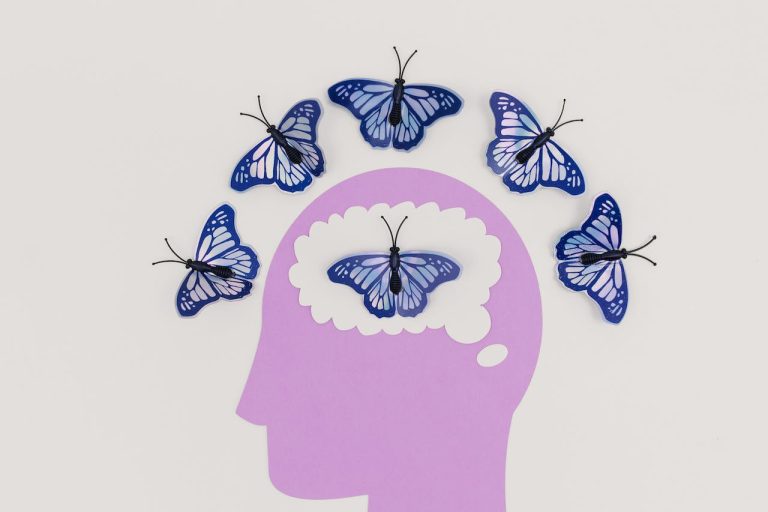
Executive function is a complex cognitive process that encompasses a range of mental skills necessary for setting goals, planning, organizing, initiating tasks, managing time, and regulating emotions. Essentially, it serves as the brain’s CEO, orchestrating various cognitive processes to achieve desired outcomes efficiently. However, for neurodivergent individuals, navigating executive function can present unique challenges that significantly impact daily life.

Setting healthy personal boundaries for ourselves is so important. It’s not just about what we should say “no” to, but it is also about why we should say “yes” to certain things. These boundaries apply to everyone around us, including…

Neurodiversity encompasses a spectrum of neurological differences, such as autism, ADHD, dyslexia, and more. Embracing and understanding neurodiversity is essential for fostering inclusivity and promoting the well-being of individuals with diverse cognitive profiles. One key element that plays a pivotal role in the lives of neurodiverse individuals is self-regulation. In this article, we explore the significance of self-regulation for neurodiverse people and how it can empower them to navigate a world that may not always be attuned to their unique needs.

Executive functioning challenges can pose significant hurdles in daily life, affecting various aspects such as time management, organization, and task completion. Thankfully, advancements in technology have led to the development of apps specifically designed to assist individuals facing these challenges. From organizing schedules to managing tasks, these apps can provide valuable support for enhanced productivity and improved overall well-being.

Special education plays a pivotal role in ensuring that every student, regardless of their unique abilities or challenges, receives an education tailored to their individual needs. This system recognizes and addresses the diverse learning styles and requirements of students with disabilities, providing them with the support necessary to thrive academically and socially. In this article, we explore the importance of special education in fostering inclusive learning environments and the profound impact it has on the lives of students with special needs.


 Malay
Malay  English