
Each year we celebrate a number of disability days, often with the involvement of the Ministry of Women, Family and Community Development (KPWKM), Ministry of Health (MOH) and, at times, the Ministry of Education (MOE). Recently, we observed World Autism Awareness Day (2 April). In March, we celebrated World Down Syndrome Day (21 March).

All these matter as we commemorate international observances.
Gone are the days when the puzzle piece represented the autistic community. Granted, back in the day, people with autism were seen as puzzles. We are quite fortunate that we live in a world where we now have autistic self-advocates telling us, they are not puzzles to be solved and how it is a spectrum and no two autistics are alike.

In discussions surrounding neurodevelopmental conditions such as autism, ADHD, dyslexia, and others, two terms often arise: "neurodiversity" and "neurodivergent." While these terms are related, they carry nuanced differences in their meaning and implications. As we delve into the discourse surrounding neurodiversity and neurodivergent, it's essential to understand their usage and the significance they hold in advocating for inclusivity and acceptance.

WRTS Kid's Gym Bangsar proudly presents a workshop hosted by our very own, Nori Abdullah, alongside esteemed Guest Speaker, Desiree Kaur, Founder of Project Haans who holds a Master's in Education (Special Education). It will be held on 30 March 2024, 10:30am - 12:30 pm. Online option available.

It's the holy month of Ramadan and many families enjoy going to mosques together. It can be challenging especially when one has a neurodivergent child. In this piece, we share a compiled list of "Children Friendly Mosques" from various sources. While it is not necessarily neurodivergent friendly specifically, it is child friendly and it is a good start.

Desiree & Saiqa ~ Supporting U is back in March with the topic of Raising A Special Needs Individual is A Team Sport : Caregivers & their Relationships

Rare diseases, often referred to as orphan diseases, pose unique challenges to patients, caregivers, healthcare providers, and researchers worldwide. Despite their individual rarity, collectively, rare diseases affect a significant portion of the global population, presenting profound medical, social, and economic impacts. Understanding these conditions, their complexities, and the efforts to address them is essential for advancing medical knowledge and improving patient outcomes.

The world continues to move at warp speed and how we consume information or what we call "content" these days has evolved. Nevertheless, the needs of the neurodivergent community remains the same - more awareness, acceptance and understanding so everyone can co-exist in an environment that embraces everyone as the are. 5 mother's with neurodivergent children decided to move a little out of their comfort zones and create a Podcast called Kita Family!

As the vibrant colors of lanterns adorn the streets and the tantalizing scent of dumplings fills the air, Chinese communities around the world prepare to welcome the Lunar New Year with open arms. Amidst the festivities and family reunions, it’s…
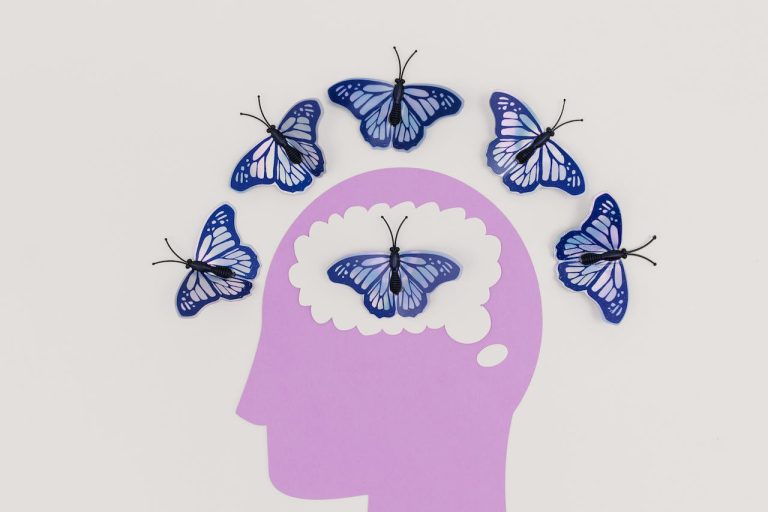
Executive function is a complex cognitive process that encompasses a range of mental skills necessary for setting goals, planning, organizing, initiating tasks, managing time, and regulating emotions. Essentially, it serves as the brain’s CEO, orchestrating various cognitive processes to achieve desired outcomes efficiently. However, for neurodivergent individuals, navigating executive function can present unique challenges that significantly impact daily life.
 English
 Malay