



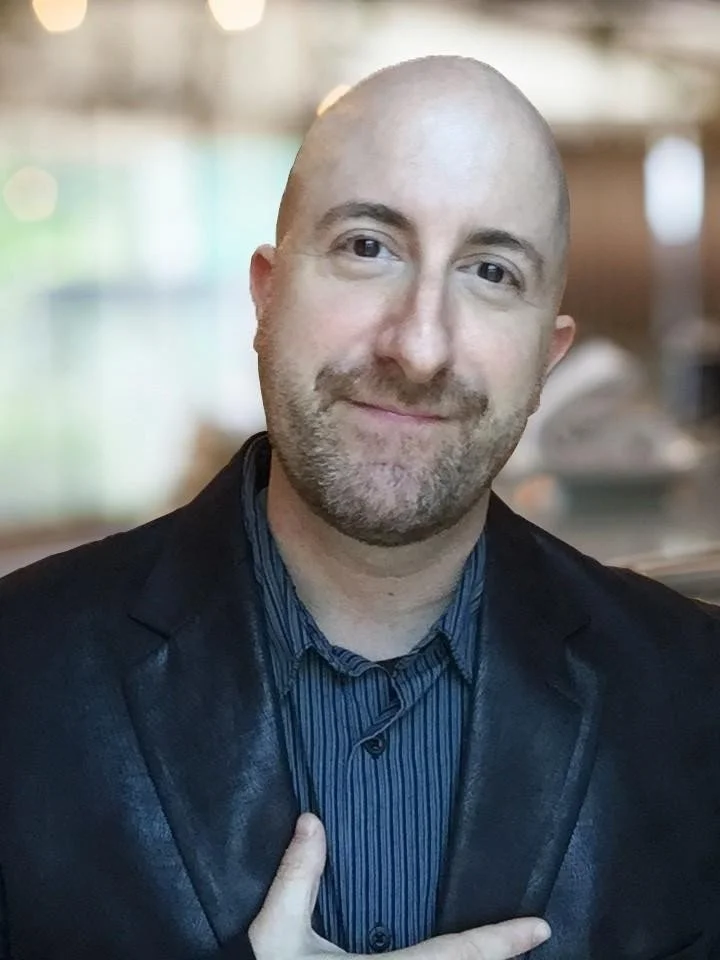
The National Autism Society of Malaysia (NASOM) recently organised a talk by Raun K Kaufman, where he shared insights into “Autism Meltdown Turnaround.” The one and half hour session with international author, speaker and trainer left attendees wanting to learn more about the insightful techniques he shared which is part of the Autism Crisis Turnaround (ACT) Protocol. Raun was diagnosed with severe autism as a child. The professionals who diagnosed him recommended institutionalization. His parents could not accept this, and went on to develop the Son-Rise Program which is now used the world over with exceptional results.
Raun is the author of Autism Breakthrough: The Groundbreaking Method That Has Helped Families All Over the World. He is the former CEO of the Autism Treatment Center of America, home of the Son-Rise Program. While Son-Rise has helped many families the world over with long-term management and care for autistics, the ACT Protocol provides solutions for meltdowns which can be implemented immediately. Hence, the title of his session organised by Nasom on 12 March 2022, “Autism Meltdown Turnaround” which provided good insights to parents and practitioners.
“The problem is the imposed situation, the environment or circumstance they are exposed to without their choosing.”
Raun K. Kaufman
Raun took the time to explain that meltdowns have common threads and is inevitable. The environment and imposed situation leads our loved ones with autism into a crisis mode. A crisis is when they are exposed to a circumstance that makes it is impossible for them to function and this leads to meltdowns and high anxiety. So, looking at the situation objectively, the meltdowns are NOT the problem. It’s the signal of the problem. Therefore, it is crucial to address the underlying problem. In most instances, Raun said that symptom suppressers are used to mitigate or avoid meltdowns such as drugs, group homes / institutionalisation or screen. While these may be quick fixes to address the situation, it merely suppresses the systems because we are blaming the wrong thing.
Here’s an interesting analogy to understand what it means to say, “we are blaming the wrong thing.” If someone is on fire, do we tell them, “hey stop it, just don’t be on fire”? This is quite impossible since the fire is not their choosing or something they want. We will do our best to ensure someone does not catch on fire and even if they do, we will put out the fire, not blame the person. Raun also explained how autism is often misunderstood. Autism is not about what someone does or doesn’t do. Autism ias about how someone is and how one perceives things. He breaks it down as follows:
Social relational emotional challenge
There is a trust deficit built up over time from negative experiences. So often, autistic individuals are told to behave a certain way, and act a certain way or say certain things. While some may “comply” or “copy” what are termed as
”social norms”, it may not be most comfortable for them to do so. This is part of how conditions get so ripe for a meltdown.
S4 – Super Sensitive Sensory Systems
Being constantly overwhelmed and overloaded by what is seen and heard is not pleasant. Sensory stimuli that seem ordinary and unnoticeable to a neurotypical, could affect an autistic person in a profound way. Sensory overload shifts autistic individuals into fight or flight mode, and this is a formula for crisis escalation. Eventually, they hit a sensory wall which the maximum of what they can take in the day. Then, they experience something called a Neuro Crash
A Neuro Crash is when your loved one’s brain is so overloaded that their sensory and coping mechanisms shut down. The brain gets so overloaded by imposed situations. Our loved ones are constantly “coping” and have developed coping mechanisms because they are trying very hard not to have a Neuro Crash. A Neuro Crash happens on the inside and seen as a meltdown on the outside. Coping mechanisms are stims. As much as you don’t want the neuro crash, they don’t want it even more.
Children and adults having high need for predictability & control
Robbing them of control exacerbates them, and leads to neuro crashes. When need to enable them to feel in control. When they have control, they don’t need to be in Fight or Flight mode all the time. Giving control does not spoil them. Believe it or not, by giving them control, eventually leads to less rigidity and gaining their trust.
Why The ACT protocol works?
The ACT Protocol is addressing the needs from the inside, rather than fixing what is seen on the outside. .
“We, the world come at it from the outside. How do we change the bahaviour, how do we get them to listen, how do we stop them? Instead, come at it from the inside, ask different questions. What is my loved ones lived experience? What is it feel like for them? What is it causing them to feel that way? How can we change the imposed situation so our loved ones can feel safe?”
Raun K Kaufman
Raun also shared 6 crucial aspects of the ACT Protocol:
-
Socioception is the skill of detecting your loved ones Signals of Stress (SOS). SOS is different from a NeuroCrash but SOS leads to a Neuro Crash.
-
Cease fire enables us to end the control battles with our loved ones which is such a big part of Neruo Crashes
-
Make peace because our children and adults are highly sensitive to our emotional state and levels of emotional agitation. Create calm by reducing your agitation.
-
Eliminate intensifiers which lead to a crisis. This includes relooking schedules and the environment.
-
Nurture more and differently. We all nurture our loved ones but rarely do they feel nurtured. Nurture in a way that feels like love to them.
To learn more about the ACT Protocol, visit the website here. The ACT Protocol consists of 3 steps. The first step is a free video introducing the approach. The speakers on the video are Raun Kaufman and Kate Wilde. Step two is an instant mini course available online at USD75 with an all family access. Step three is the Autism Crisis Turnaround Rescue Course which is a live online workshop over 2-days. Participation fee per person is USD395.



 Malay
Malay  English