


By Carly Considine

I identified with many autism traits myself whilst researching for my daughter. It was like a lightbulb moment!
Although I had noticed all the autism signs in my daughters, it was a long journey towards getting them assessed and diagnosed. Whilst I was doing all this research, I felt like many of the descriptions fit me. Then, one evening I went to a talk organised by the National Autistic Society. The speaker was a lady called Julia Daunt who is an adult with Pathological Demand Avoidance or PDA which is a profile on the autism spectrum. I sat and listened and resonated so much with what she was saying.
I thought for a while on whether I was too old to seek a diagnosis in my 30s. Nevertheless, I took that step and in April 2015, went to my General Practitioner or GP said I think I’m autistic and would like to be referred for an assessment. I was so incredibly lucky to be diagnosed 4 months later.
Why was this diagnosis important to me?
It saved my life and relationships with family and friends.
I spent 33 years of my life feeling lost, misunderstood, and very different. School was hell! My peers thought I was weird and quiet. So, when I did speak they mocked me. I had only a handful of good friends, but mostly, I was just that someone to be picked on.
Schooling
I always struggled with school work as I quite often would daydream in class and completely miss out on what was said. I had an element of demand avoidance so I wouldn’t ever do my homework, which then involved my parents coming in for school to talk and agree to put me on report. I quite often pretended to be ill so I didn’t have to go to school.
My 20s
Throughout my 20’s Dr’s just kept saying I was depressed and gave me antidepressants. Had I been diagnosed as a child, I don’t think I would have been so miserable. Sadly I’m from the “missed” generation but I know I am not alone. Many of adults my generation and older are being diagnosed now. Unfortunately, some are not given the opportunity or access to be diagnosed for various reasons.
An epiphany
My diagnosis was like an epiphany! I finally understood myself, felt empowered to own my difference, and to embrace it! Knowing that I am autistic, raising my two girls who are autistic is helping me navigate my family life armed with more information to keep us stronger as a unit.I am turning 40 next year and I feel compelled to share my journey to inspire families.
This piece was contributed by Carly Considine
Carly was diagnosed with Autism Spectrum Disorder in 2015 at the age of 33. She also has 2 daughters on the autism spectrum. With her knowledge, she hopes to help families understand their children and teach them useful strategies.
If you would like to support Carly’s efforts and make a contribution, please do so at her BuyMeACoffee link here or connect with her on Facebook here.
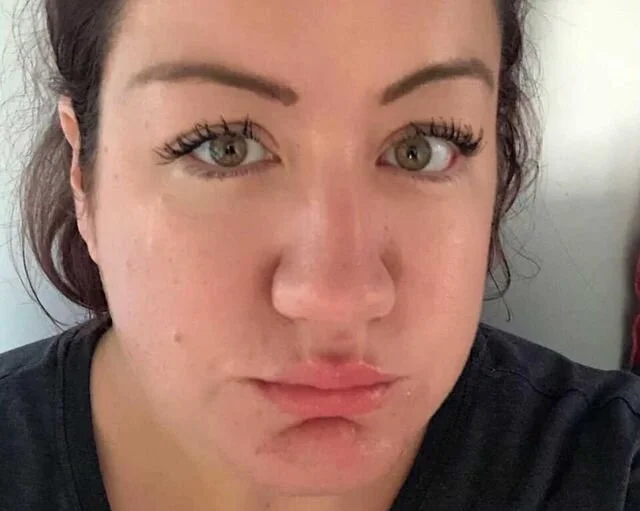
Carly Considine is in the United Kingdom



 Malay
Malay  English