

A Keynote Address by Nori Abdullah Badawi
Chairman – Yayasan Budi Penyayang Malaysia,
Owner – We Rock the Spectrum Kid’s Gym Malaysia
at the SEN 2021 Symposium by Kiwanis Malaysia Academy.
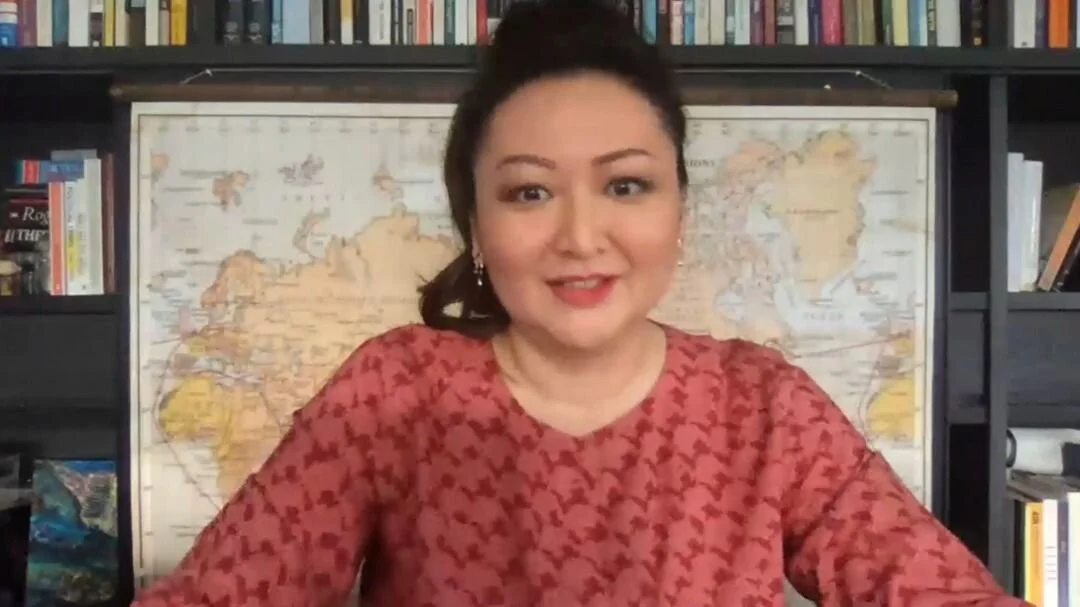
This keynote speech was delivered live at the SEN 2021 Symposium organised by Kiwanis Malaysia Academy on 16 October 2021. To view footage from this event, please click here.
SEN stands for Special Education Needs
Assalamuailakum warahmatullah, salam sejahtera and greetings to all.
It is both a privilege and an honor for me to speak to all of you and I thank the Kiwanis Academy Malaysia, for inviting me but more so for organizing this symposium today. It is my hope that there will be something from today, that is going to make even a little bit of positive difference to someone’s life out there – and if we’re really lucky, we can attempt to impact a few more people than that, with God’s grace.
Up until last night, I was still reflecting and maybe even processing, how big this topic is, and what might we get to take further along, beyond today. Everyone coming to speak here, is asked to reflect on ‘the heart based approach to nurturing future leaders’ and if that alone wasn’t enough to chew on, this is also meant to be a strategic plan for special education needs.
I’m going to see about getting us all on the same page, so that we can truly endeavour to figure out the ‘how’ of the things we want to achieve:
– Use a heart based approach.
– Nurture future leaders
– And have these things be part of a strategy towards addressing SEN better, in as many ways as we can.
So what does a heart-based approach actually mean and why is that the choice? From multiple readings and discussions it basically means to conscientiously have the qualities and matters of the heart inform your decisions, actions and outcomes. This means practising things like compassion, empathy, consideration, kindness and of course love. These are universal and does not require us to be of a particular religion or faith. As the part of ourselves that we can immediately feel and notice at any given moment, racing, skipping, sinking and soaring, the heart also informs so much of our daily life. In fact, research has shown that it sends more signals to the brain than what the brain sends to the heart – so it is now quite puzzling to imagine, when did we decide the cerebral stuff should take over? After all, while the things we think might separate us, isn’t it our emotions n feelings that are the same. In dealing with things that concern human beings, how can we not but be guided by what humanity has in common.
Now what does this have to do with leadership? Well nearly everything. If you’re a little geeky like me, check out the HeartMath Institute.
– I love it when scientific research n data catches up with things that we have always known because we can feel it. So they discovered and I quote: “signals from the heart especially affect strategic thinking, reaction times and self-regulation”.
As author Christine Comaford describes in a Forbes article
– ALL of these traits are vital to effective leadership. Note what the heart affects again. – strategic thinking, reaction times and self-regulating. Being able to see the goals and plan, make timely decisions and be self-aware and mindful of one’s owns actions are surely what we would expect from good leaders.
What else do we need from leaders? I’m in the midst of a workshop by Dr Ross Greene, clinical psychologist and creator of the ‘Collaborative Problem Solving’ model of care, and he shares as part of his 35 years of work in places like Harvard Medical School, that there are “skills that foster the better side of human nature” and they are:
– Empathy (yes you don’t have to be born with it, you can develop it)
– Appreciating how one’s behaviour is affecting others (there’s that awareness and mindfulness we speak often about these days yet again)
– Resolving disagreements without conflict (surely this would make the world a better place)
– Taking another’s perspective (being able to see things in a different way)
– And Honesty (yes this needs practising too).
Putting the science aside, if we believe that leaders need to have compassion, empathy and also things like courage and a conscience, it will simply take these same qualities to nurture them in young people. By definition, you can’t nurture without qualities of the heart.
Now I have a deep appreciation in learning all of this about the heart, because I am a mother. I have 3 boys and the second one is on the autism spectrum. While autism manifests itself differently in different people, what it does have in common is that we are seeing a neurodiverse brain. It’s not typical, it operates and thinks differently. BUT the heart, and how that heart operates and feels, is the same as anyone else, even if the person expresses it differently. That is also what makes my son a person, just like anyone else.
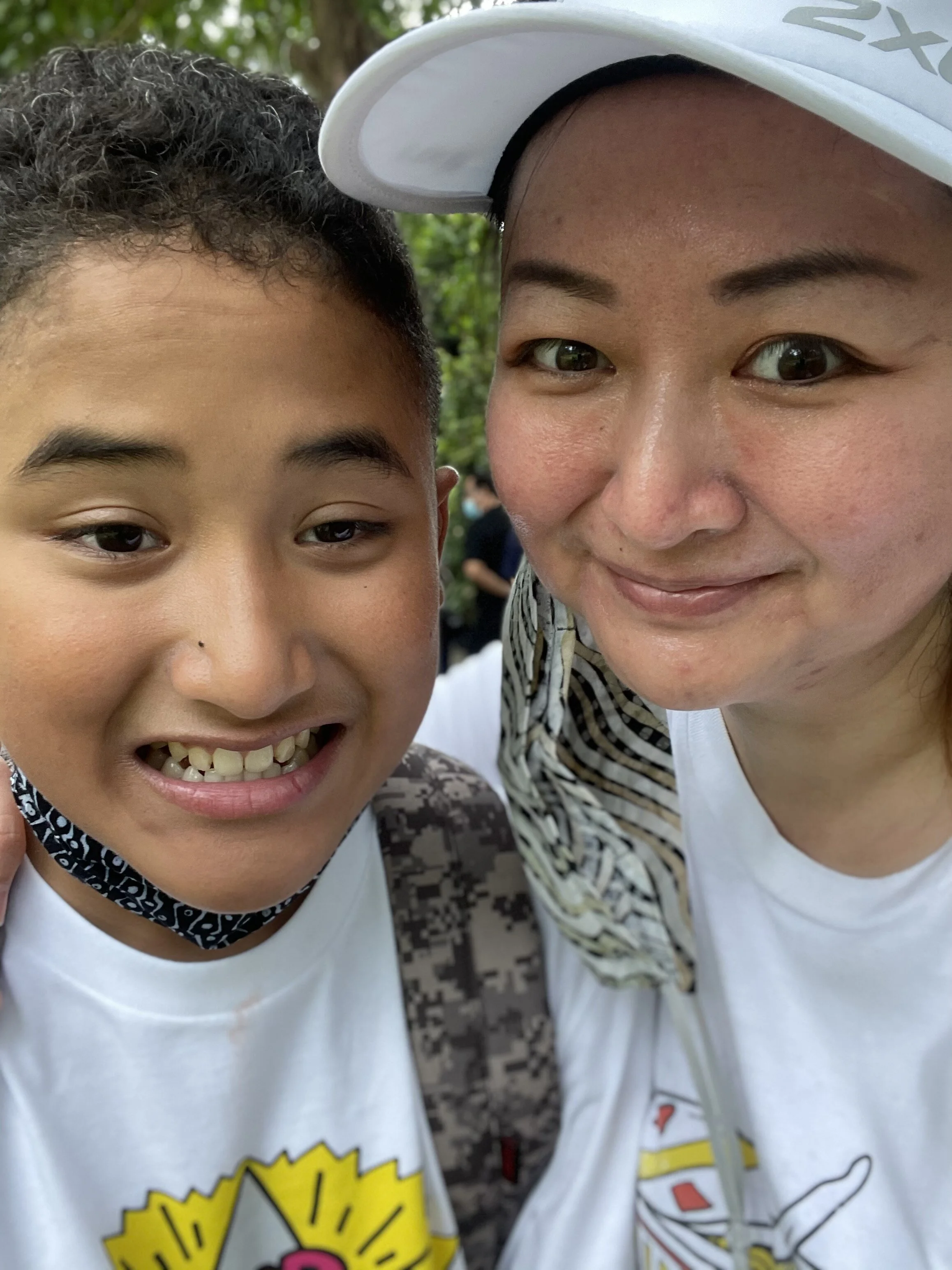
Nori & her son Timor
We don’t yet live in a world where people like my Timor has access to the same opportunities that all people are entitled to – we don’t even live in a world where everyone recognizes that he’s a 12 year old boy, a person before the diagnosis, all the descriptors and the so called deficiencies. My son is actually a really lucky boy, we are privileged to be able to give him whatever we can in seeking the best whether it was early intervention or different types of therapy. The point is, shouldn’t this be available, affordable and accessible to every child who needs it?
Through the We Rock the Spectrum Kid’s Gym, an inclusive space where kids of all abilities can play, learn and grow together my team runs a program called Therapy Through Play. It supports autistic children from lower income groups as well as their families build skills and confidence, fully sponsored thanks to a Yayasan Hasanah grant. My own foundation, Penyayang, has had the opportunity to work on various efforts in our 21 year history, with people who fall under SEN including the TUTUR program that assists hearing impaired children with cochlea implants. Everyone needs to do what they can for our community, we can’t afford to wait or rely on someone else to do things that need to be done. Which is why we are gathered today to talk about a strategic plan for improving the lives of those who have special education needs.
The organizers of the symposium today have already identified some key areas that must improve. According to SEN experts locally – and can probably be verified by every parent of a child with SEN – Malaysia has a shortage of teachers and subject matter experts. The world benchmark is 1 to 4, and we are at 1 to 10 for teachers to students.
Another thing that must be done is more collaboration and partnerships. There is strength in numbers and in bringing together different skills, experiences, views. We are starting to see the benefits of a multidisciplinary approach by some therapists and educators in the country but it is not yet common practice. It takes a village to raise a child and this is even truer when it comes to a child in need of additional support and accommodation. Changing our mindset and being open to coming and working together, whether it’s to the benefit of a specific child or in a setting like this – and most definitely for government – is crucial. It will facilitate problem solving, create opportunities for innovation, allow for the sharing of experiences, help us connect dots, cultivate common ground and so much more. If the pandemic has shown us anything it is surely reaffirming how we have to face this together. No single expert or even group of the same type of experts will get us through this, and certainly not working in silos.
As we work towards nurturing future leaders, we need leaders today to understand that education, not just SEN related teaching and learning, but education for all, must very deliberately include a heart based approach. And this must happen immediately.
We need to see teachers who appreciate the importance of building connection and relationships with their students and not just with mathematical equations or science formulas. We need educators who are skilled enough and better equipped to teach all types of learners. If teacher training in our institutions of higher learning is not yet able to change then this is certainly an area that can benefit from collaboration and partnerships, for example with NGOs or other types of training centres. Technology has availed us of access to learning in new ways and we should harness it to address some areas that could have an immediate impact on the lives of SEN students and thus their families.
Our children need us to understand that there is intrinsic value to every single person irrespective of their ability. That the presence of every individual is meaningful. It is past time to change our thinking from a model that looks at SEN as something we must do as welfare or charity, to recognizing that we all benefit from diversity in the human experience. It is the right thing for everyone. I have learned that my autistic son will bring me and others, more than what I will bring him.
What could that look like in a classroom or other teaching setting? My friend Nik Nadia, who is a fellow mother of not just one but 2 autistic children and also a tireless advocate from the largest online community around autism in the country, Autisme Malaysia, shared her vision with me: That SEN teachers remember that it’s not just about outcomes. They should appreciate and enjoy the process, celebrate every little progress, cherish the achievements that make your heart swell and remember that achievement can be measured in so many different ways. Why would this matter you ask? It’s because every type of study and research anywhere in the world shows direct and positive outcomes to learning for ANY child that is happy and has self-esteem and confidence.
Some of us might be thinking oh boy, we have a long way to go, especially with recent painful news of problems in centres that are meant to specialize in looking after kids who are neurodiverse or have disabilities. But I have a lot of hope for Malaysia – and those of you who have heard me speak before may have heard me say this – because diversity is simply a part of our DNA. And it is one of the reasons a small country like ours can punch above its weight in certain areas. It is our strength, it is precious and adding an appreciation for neurodiversity is just the next layer to that.
I will conclude by sharing my own hopes for a heart based approach.
In a heart centred world your IQ would never be the only measure of your potential.
In a heart centred world, efforts in education to see children grow holistically must surely feature inclusion, so that we not only recognize the worth of every person, but allow everyone to achieve their potential.
In a heart centred world, whether you resonate with the description of disabled, different or special (I’m good with all of them), the description will inform the world around you, so you can be understood and supported where needed – but it will not limit nor completely define you much as any other description, whether it be ‘girl’, ‘Muslim’, ‘vegetarian’ or ‘Punjabi’.
Once again I would like to thank Kiwanis Academy Malaysia for this inaugural SEN symposium 2021. I would like to record my appreciation to everyone participating here, especially the speakers, who are not only working today but contribute so much everyday for so many people. I look forward to the presentations and discussions and fully expect workable and practical ideas and initiatives to come. No pressure! Let’s do this!
Moga Tuhan memberkati usaha dan merahmati kita semua. Selamat bersidang, terima kasih.
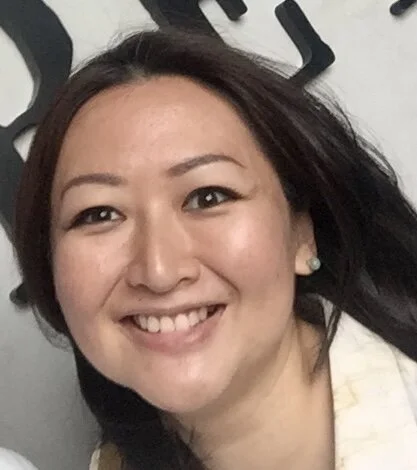
Nori Abdullah Badawi is the Chairman of Yayasan Budi Penyayang Malaysia and Owner of We Rock the Spectrum Kid’s Gym Malaysia.
We Rock The Spectrum (WRTS) Express Bangsar regularly runs Therapy Through Play programme for parents and their children with autism. WRTS is on Facebook & Instagram.



 Malay
Malay  English