
By Beatrice Leong
Friendships & relationships…
Masking & Me
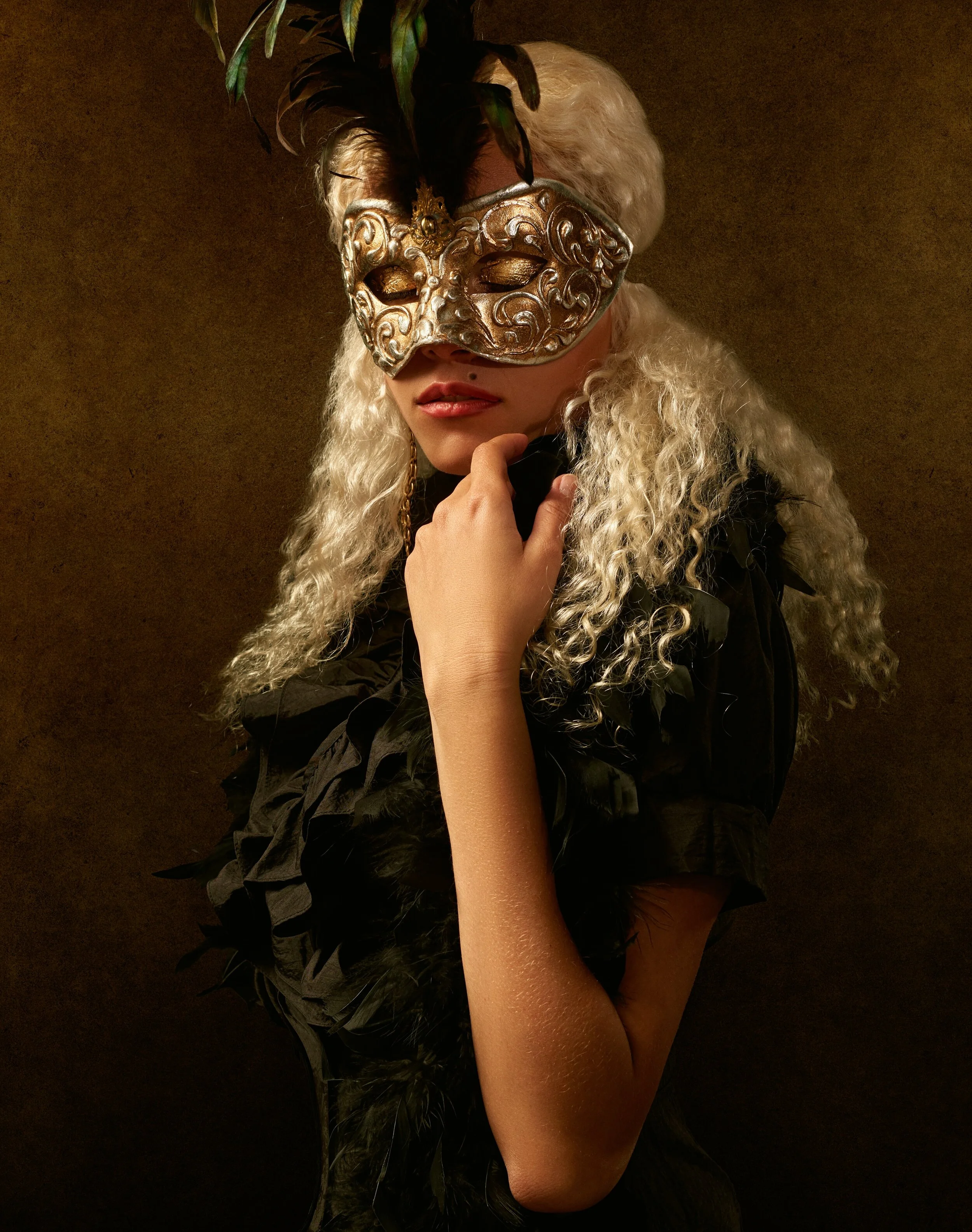
My “rolodex” is my bag of masks I need to put on in different social settings and environments. As social rules are learned and taught in our developing years, autistic behaviours like meltdowns are often conditioned as inappropriate. After one too many times of being conditioned that girls don’t scream, girls don’t get angry – I learned that I must change, to belong.
This intrinsic human need to belong and connect, becomes the basis of why masking is an experience so inherently found in autistic females. It means that while I look normal on the outside and reached most typical developmental milestones – I am fundamentally different on the inside. I will smile, and nod appropriately at your jokes (which I don’t always get unless I Google it). I learned to hide my autism and downplay my discomfort to fit in and belong in a neurotypical world.
Misdiagnoses…
The journey to the diagnosis was painful. Many years of misdiagnosis as schizophrenic, bipolar, borderline personality disorder, and at one point, even the term sociopath was in the running. I truly believed each of these labels, realising I had always been different. I was diagnosed as a schizophrenic, because my “skills” to mask and to imitate in order to forge a connection was so polished by the time I was an adult, that it would seem I had a whisperer in my ear teaching me how to act and my escape to a made up world that made sense to me. This was perceived as psychosis. I was diagnosed as bipolar because my mood swings and anxiety had been so intense resulting from meltdowns due to sensory overload. I was also diagnosed with borderline personality traits because of my obsessive attachments and unrelenting repetitive pattern of “hold” over a person, object, or rituals.
What changed with the autism diagnosis?
When this door opened, it explained why I felt different from others. Landing into the diagnosis gave me a sense of my place in the world, which was not easy but at least there is now a path for me. I could finally open this door and see what’s on the other side. The many years of trying to work on my anger issues had somehow resolved itself when it was being reframed as meltdowns. I can thank my pedantic nature and my brain’s in-flexibility to changes in routines. I now have grace for my perceived impairment.
Getting a late diagnosis was not a bed of roses. It is a painful rollercoaster of emotions. The diagnosis did not fix me, nor my problems. I found myself grieving my lost years, and the conditioning of my belief system that led to painful maladaptive behaviours. Life-long masking that was supposed to “aid” me to belong, had ostracised me instead.
 If my diagnosis came in my earlier years, I would not have taught myself that the first thought in my mind is always wrong. I would not have needed my rolodex of cards for something appropriate, or nicer to say, even if it is untruthful. If my diagnosis came earlier, I would not have lived most of my life feeling like I’m being assaulted by just existing in an environment that overwhelm my senses constantly.
There is more to do, here’s my hope. For the next lost girl to have more resources than I did. For the next lost girl to not be labelled with every disorder and mental condition in the DSM-5, before circling back to “A” for Autism. For the next lost girl to not have to suffer through this excruciating emotional labour to get here. For there, not to be another lost girl generation.
“The emotional labour may be heavy, but at least I am not lost anymore.” -Beatrice Leong
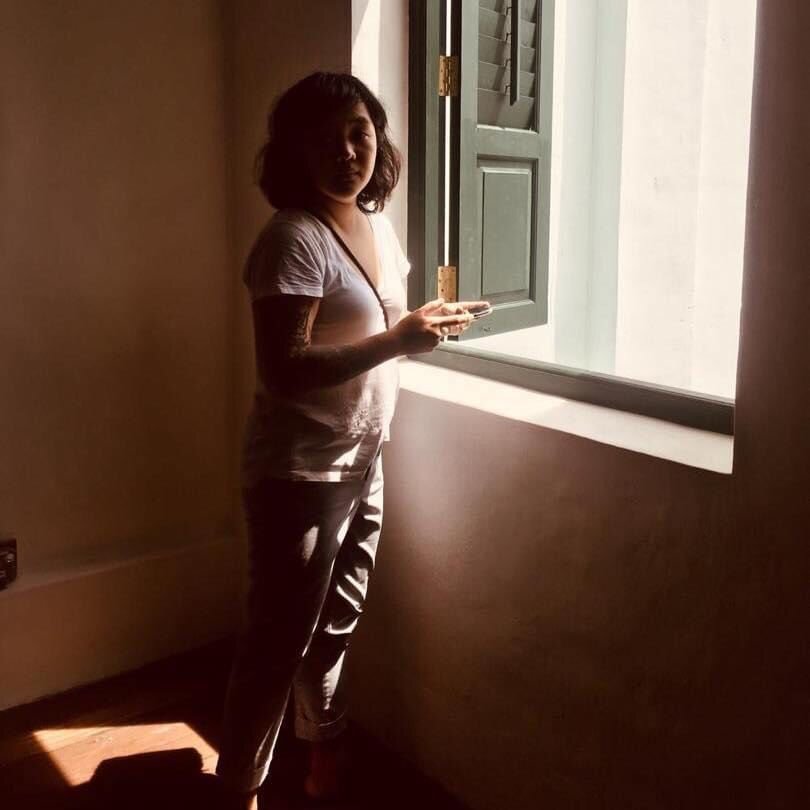
Beatrice Leong is from Malaysia. She is a curator, filmmaker, cultural and content producer with a keen interest in preserving stories as witness to our place in history. She is based in Kuala Lumpur, Malaysia – for now.


 English
  Malay
Malay