
By Desiree Kaur
Trigger alert: Please note these views were garnered to write this piece and is in no way meant to offend or demean anyone and their views.
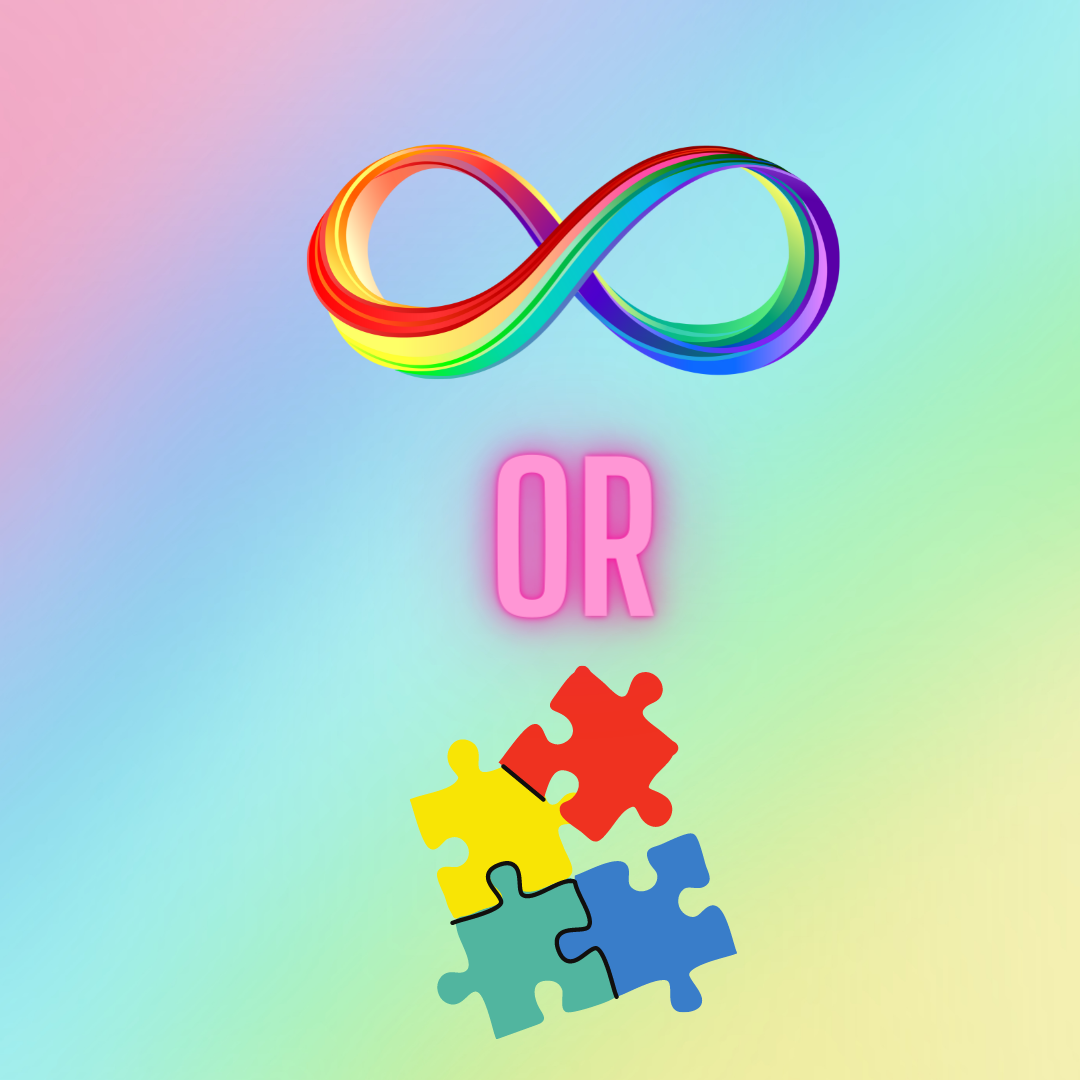
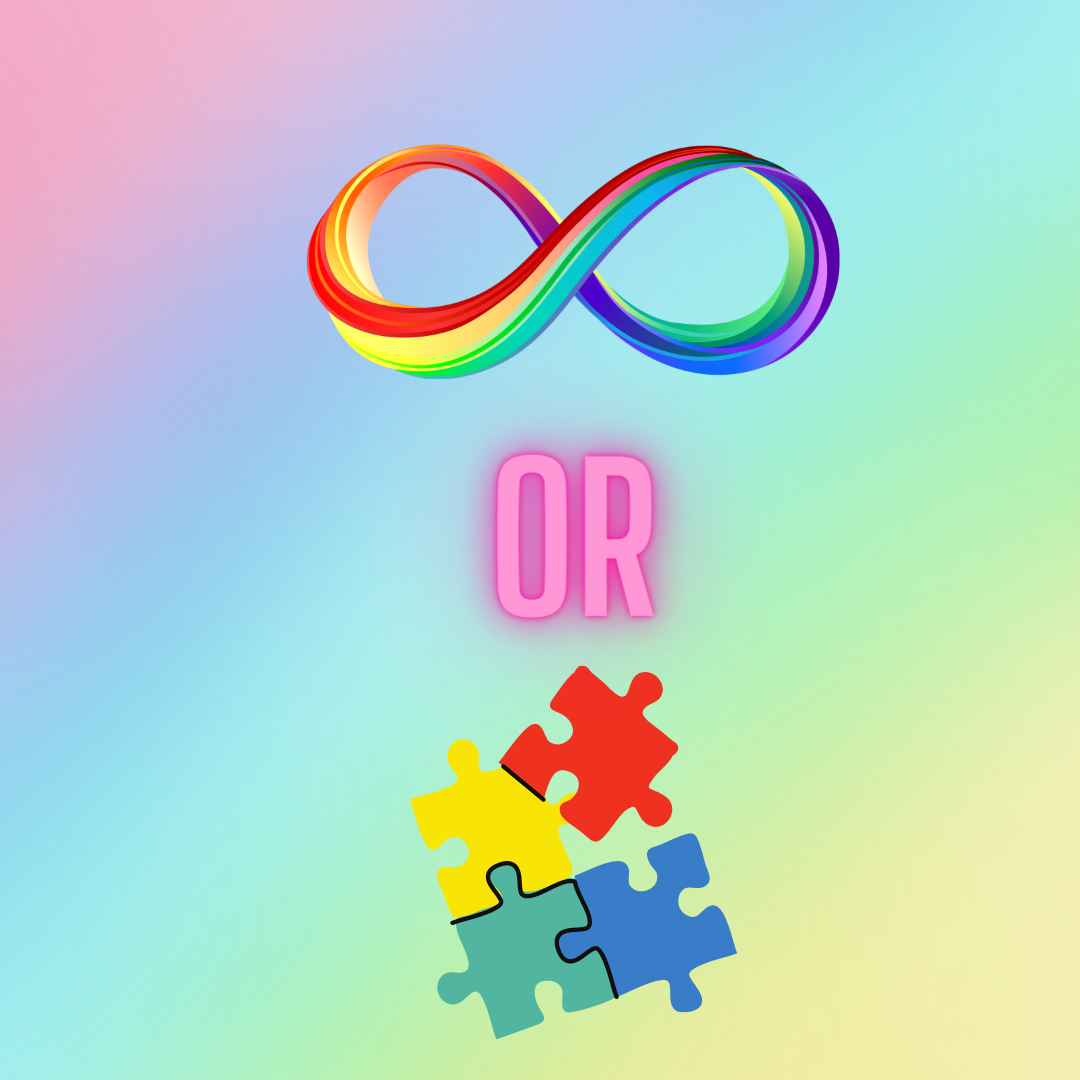
Autism the puzzle piece and rainbow infinity – an ongoing debate which has 3 sides to it. Why three? We will come to that later. Firstly, let’s get into how the puzzle piece came about.
Origins of the puzzle piece
The puzzle piece was used as a symbol in 1963. It was designed by a parent to an autistic child who was on the board of the National Autistic Society of London and accompanied by a picture of a crying child. The logo appeared in the society’s newsletter and stationary in April 1963. Helen Allison from the Autism Society of UK said:
“The puzzle piece is so effective because it tells us something about autism: our children are handicapped by a puzzling condition; this isolates them from human contact and therefore they do not ‘fit in’. The suggestion of a weeping child is a reminder that autistic people do indeed suffer from their handicap.”
Important to note that the National Autistic Society of London no longer uses the puzzle piece as a symbol
Over time, it was adopted by Autism Speaks in America which used the image for many autism awareness events resulting in many organisations all over the world eventually using the puzzle piece to represent autism. Additionally there were campaigns surrounding negativity around autism whereby the puzzle piece was used as a symbol of autism sparked much controversy around 2006. More about this here.
While there are many reasons for using or not using certain symbols or colours to represent autism, generally views vary from person-to-person. Everyone has a reason to resonate with a symbol or even be offended by it. Here are some views from various perspectives.
The puzzle piece is NOT offensive…
“I understand why some may feel it is inappropriate, but I’d rather shift the discussion on helping. awareness, although important only helps on the surface level. Let’s get people to engage. Change will come when the conversation is going in the right direction.”
Dr Imran
Malaysia
Parent to autistic child“Puzzle pieces I think simply represents the challenge of how our special needs loved ones are trying to fit into a world much different from theirs.”
Christine Anne Constantino
The Philippines
Parent to autistic child
Christine is unaware of the Rainbow Infinity
The Puzzle Piece is Offensive
“We do not need fixing, nor are we a missing piece to the puzzle. It is connected with Autism Speaks which is a charity that doesn’t support autism in a correct manner.”
Carly Considine
England
Autistic adult & parent to autistic children
Carly accepts the Rainbow Infinity as a symbol for autism
“Autistic people are not puzzling and no part of us is missing.”
Anonymous
The United Kingdom
Autistic adult
Anonymous accepts the Rainbow Infinity as a symbol for autism
“The puzzle pieces signifies – that autistic people are not whole, that we are less than human. But we don’t believe we have something missing and there’s nothing to be fixed.”
Anonymous
The United Kingdom
Autistic adult
Anonymous accepts the Rainbow Infinity as a symbol for autism“The awareness of its association with Autism Speaks who ran a Multiplatform campaign depicting autistics as “diseased” folks and that autistics are burden. Also I am not incomplete like what a puzzle piece is. I don’t need to be completed to be a person.”
Bea
Malaysia
Autistic adult
“The puzzle piece is used in the logo of Autism Speaks, a charity that promotes dangerous and psychologically damaging treatments and therapies including; ABA, unnecessary faecal transplants, and extreme dietary restrictions. . To those on the spectrum, the world is a confusing and overwhelming place, therapies need to teach coping skills and strategies to the individual and their support network, not traumatise. Autism Speaks does not represent autistic individuals, it represents the families and medics that see ASD as a problem that needs to be fixed. Autism is a different way of experiencing and interacting with the world, it is not an illness.”
Lauren H
England
Autistic adult
Lauren accepts the Rainbow Infinity as a symbol for autism
Offensive is too strong word… but do not accept the puzzle piece.
“I am not offended by it because I think many of them, especially in Malaysia, just don’t know any better. That’s just the way a lot of people who don’t know any better see our kids, so they need more education, not judgement. Saying that, I would not join an organisation that still uses the puzzle piece, as I don’t think they represent my values. Am not not going to find them offensive though.”
Shao
Malaysia
Parent with autistic child
So, what about the Rainbow Infinity
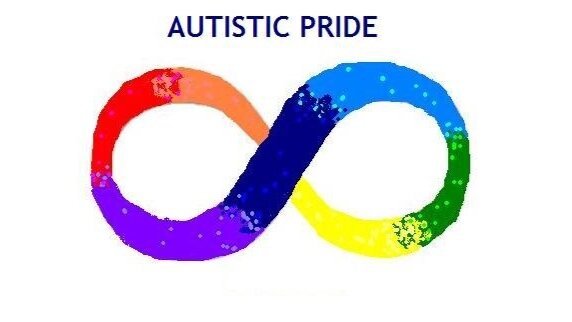
Photo credit: American Autism Association
The earliest use of the rainbow infinity symbol can be traced to Autistic Pride Day in 2005 which is celebrated on 18 June. The rainbow infinity represent the diversity of individuals with autism and the endless opportunities and differences within the autistic community.
”The infinity represents the limitless potential that those on the spectrum possess, while the rainbow represents how colourful the world is in their eyes as well as all the different types of people on the spectrum (in terms of background, lifestyle, etc.) to promote diversity and a universal understanding.”
Akaash Singh
Malaysia
Has an autistic family member
However, there are opinions that also question the rainbow infinity…
“I prefer to use the infinity symbol only. Not the rainbow because I don’t want to co-opt an LGBTQIA+ symbol, unless the entity is friendly to/with LGBTQIA+ and autistics. Rainbow does not equal infinity. So using the rainbow symbol is not just misrepresentation, but co-opting a very well known, widely used symbol representing a different social movement for our own. I don’t agree with that. Unless the intersectionality is there in the first place.”
Shao
Malaysia
Parent to autistic child
So which is more appropriate?
Using symbols to represent causes need to be done purposefully. It is crucial for organisations or entities to really rationalise the use of symbols to represent their cause. There are certain organisations that claim to have their logos set and no longer able to change it. However, if a symbol that was first used in the 1960s , is no longer relevant or apt to represent a community, why still use it? After all, doesn’t the autism advocacy movement advocate for change. If the organisations themselves are unable to change, how can it be expected to influence larger change within communities?
This article is not aimed at answering which is the more appropriate symbol for autism. Everyone has their own reasons for resonating with or feeling offended by representations. The purpose of this article is to get the conversation started on why is the puzzle piece still being used, is it still relevant given what we know now about autism (compared to 50 years ago) and how can all those who advocate for autism come together as a community regardless the symbol of representation.

Project Haans is a self funded initiative. If you would like to support Desiree’s work and Project Haans, you can do so via BuyMeACoffee here.



 English
  Malay
Malay