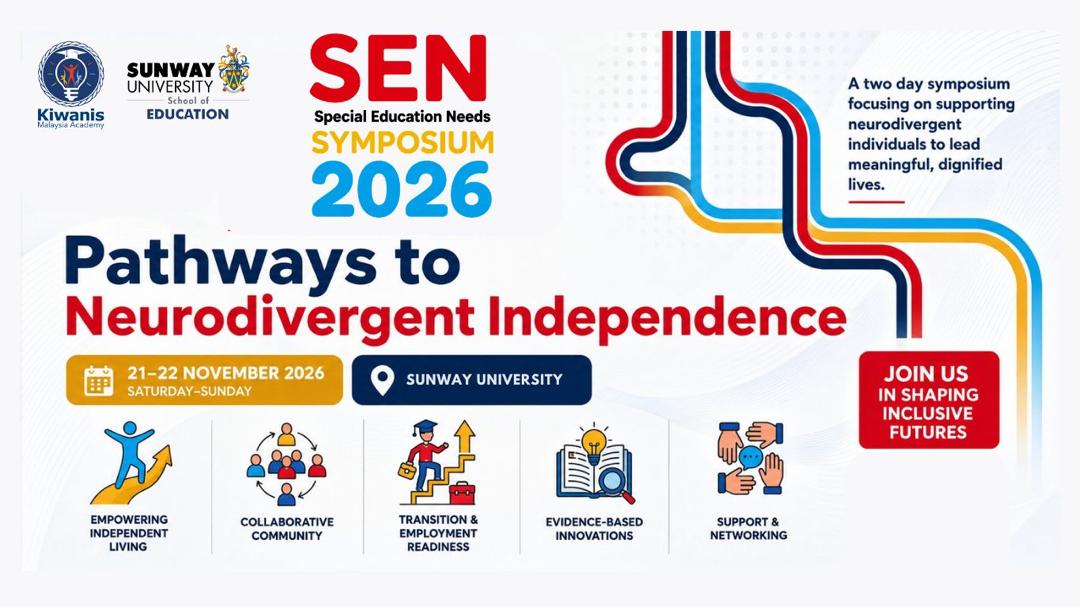

The Kiwanis Malaysia Academy (KMA) and School of Education (SOE) Sunway University SEN Symposium 2026 brings together parents, educators, professionals and advocates to explore pathways towards independence, dignity and meaningful adult lives.
What happens to my child when I am no longer around?
It is a question that many parents raising neurodivergent children carry quietly, sometimes long before their children reach adulthood.
During the early years, much of our attention is focused on developmental milestones, therapy appointments, school placements, communication and learning.
We celebrate the small victories. A new skill learned. A successful transition. A moment of independence that might seem insignificant to someone else but means the world to our family.
But as our children grow older, another set of questions begins to emerge.
What happens after school?
Will my child be able to find meaningful employment?
Will they have friends and opportunities to participate in their community?
Can they live more independently, with the support they need?
And perhaps the most difficult question of all: Who will support them when we are no longer able to?
Most of our children will require lifelong support. Whether it is high support need or low support needs, it’s most crucial to remember that “low support needs” does not mean “no support is needed”.
These are not questions that can be answered by parents alone. They require conversations involving educators, therapists, employers, community organisations, policymakers and, importantly, neurodivergent individuals themselves.

The Adulthood Gap: What Happens After School?
For many families, childhood comes with some form of structure.
There are schools, intervention programmes, therapy centres and professionals who help children develop essential skills.
While access to these services remains uneven, families often have a clearer idea of where to seek support during the school years, despite the many limitations that still exist in the support ecosystem for neurodivergents.
But what happens when formal schooling ends? The support ecosystem for this is even more limited than our school-aged children.
For some neurodivergent individuals, the transition into higher education or employment may be relatively straightforward with appropriate accommodations.
For others, the journey may require more structured support, vocational training, assistance with daily living, accessible communication or ongoing care.
There is no single pathway into adulthood that works for everyone.
And this is precisely why conversations about independence must move beyond the assumption that every young adult will follow the same route.
Adulthood should not mean the sudden disappearance of support.
Instead, it should be a stage of life in which individuals continue to learn, develop relationships, make choices and participate meaningfully in society.
Independence Does Not Have to Mean Doing Everything Alone
When we speak about independence, we sometimes imagine a person who can live alone, hold a full-time job, manage their finances and navigate daily life without assistance.
But is that the only definition of independence?
For a neurodivergent individual with significant support needs, independence may look very different.
It might mean choosing what to wear, communicating a preference, participating in a household routine, travelling with appropriate support or contributing to decisions about their own life.
For another person, it may mean pursuing higher education, finding employment or moving into supported accommodation.
The level of support may differ, but the underlying principles remain the same: choice, dignity, autonomy and participation.
We must also remember that independence is not the opposite of needing help. All of us depend on other people and systems throughout our lives.
What matters is whether neurodivergent individuals have opportunities to develop their abilities, exercise choice and participate in decisions that affect them.

Preparing for Adulthood Should Begin Before 18
Too often, conversations about adulthood begin only when a young person is approaching the end of secondary school.
By then, families may feel overwhelmed by the number of decisions they need to make.
Preparing for adulthood should be a gradual process.
It can begin with age-appropriate opportunities to make choices, develop communication skills, practise daily routines and build confidence in different environments.
As children grow, these opportunities can expand to include managing money, travelling safely, understanding personal boundaries, developing vocational interests and participating in community activities.
For children who use Augmentative and Alternative Communication (AAC), this also means ensuring that their communication systems support self-advocacy, relationships and decision-making beyond the classroom.
For parents, preparation includes understanding available support services, exploring future living arrangements and considering long-term financial and legal planning.
However, families cannot be expected to navigate all of this without guidance.
We need stronger connections between education, employment, healthcare, social services and community support.
Most importantly, we need to recognise that planning for adulthood is not simply about preparing a child to leave school.
It is about preparing society to support them throughout their lives.
Bringing the Conversation Together: KMA x SOE SEN Symposium 2026
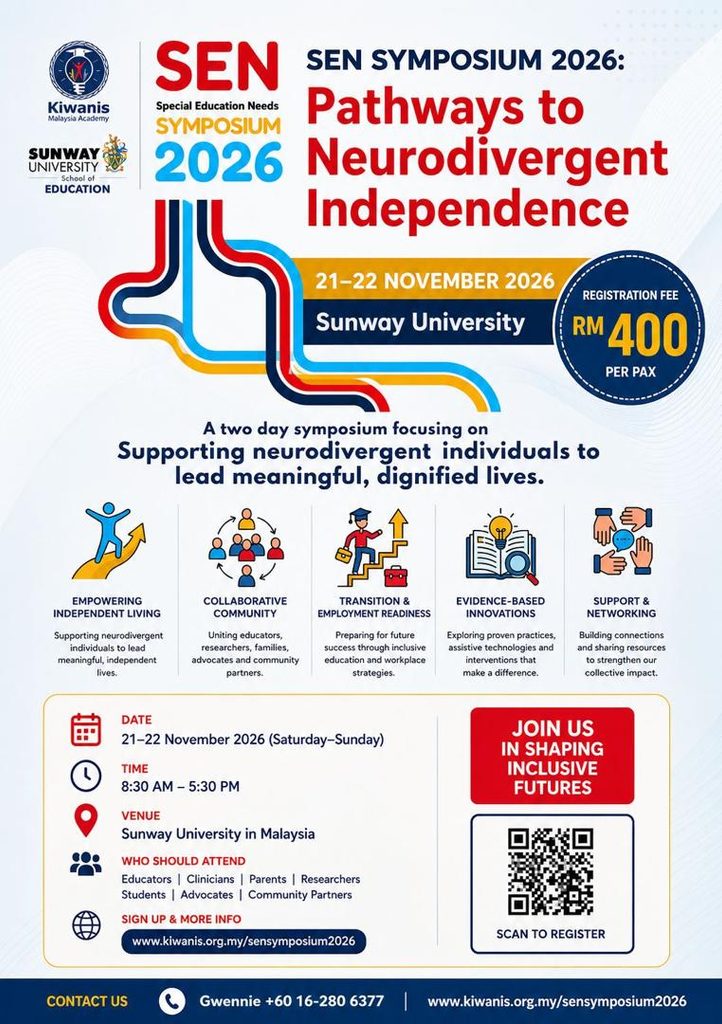
These important questions will take centre stage at the KMA x SOE Special Education Needs (SEN) Symposium 2026, themed Pathways to Neurodivergent Independence.
Taking place on 21–22 November 2026 at Sunway University, the symposium brings together parents, caregivers, educators, researchers, therapists, employers, policymakers and community organisations to examine how Malaysia can better support neurodivergent individuals as they transition into adulthood.
Now in its sixth year, the Kiwanis Malaysia Academy (KMA) SEN Symposium continues its mission of connecting knowledge, lived experiences and community action.
The 2026 symposium is jointly organised by the Kiwanis Khir Johari Foundation (KKJF) and the School of Education, Sunway University, with a focus on three interconnected areas.
1. Vocational Readiness
Employment is about more than securing a job.
It is also about recognising strengths, developing relevant skills, creating supportive workplaces and ensuring that neurodivergent individuals have opportunities to contribute meaningfully.
This area explores how education providers, employers and support organisations can work together to create more accessible pathways into employment.
2. Guardian Competency
Parents and caregivers are often expected to make complex decisions about their children’s future with limited information.
From developing daily living skills to understanding long-term support arrangements, families need practical knowledge and guidance.
This area focuses on equipping caregivers with the tools and confidence to plan for adulthood while recognising that the responsibility should not rest entirely on their shoulders.
3. Social Dignity
Perhaps the most important question is not simply whether a neurodivergent individual can live independently.
It is whether they can live a life with dignity, relationships, choices and a sense of belonging.
Social dignity means looking beyond care and protection to consider participation, autonomy and quality of life.
It asks us to recognise neurodivergent individuals as people with their own preferences, aspirations and rights.
Two Days of Conversations and Practical Learning
The symposium is designed to move beyond identifying challenges towards exploring practical responses.
Day 1 — Saturday, 21 November: The Conversation
The first day features keynote presentations, forums and discussions bringing together lived experiences, professional expertise and community perspectives.
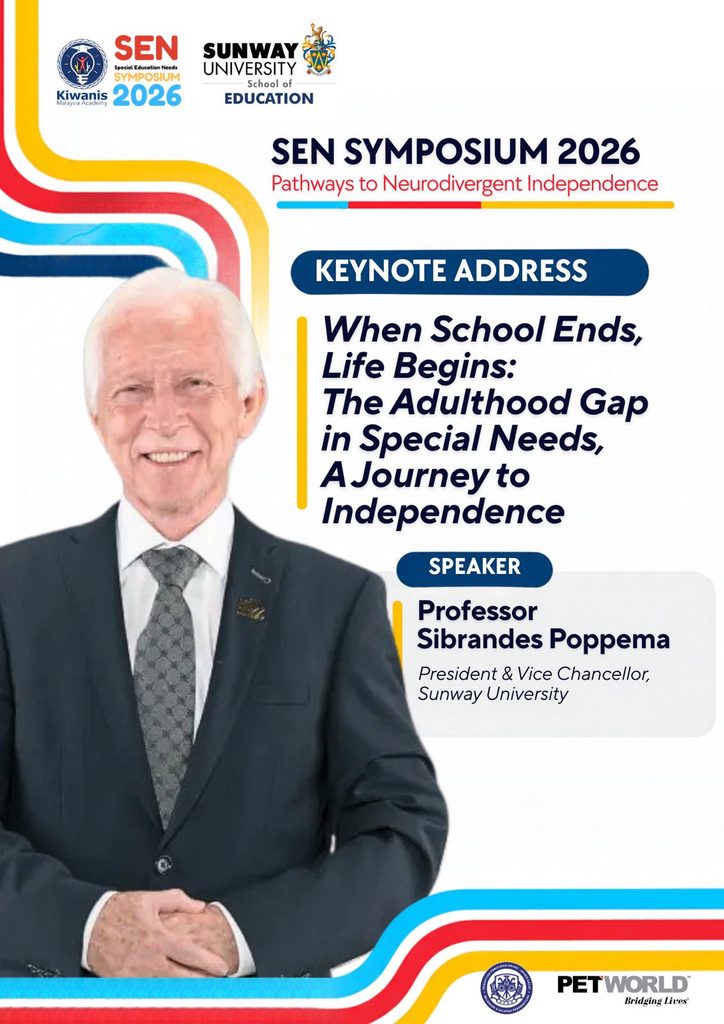
The keynote address, “When School Ends, Life Begins: The Adulthood Gap in Special Needs — A Journey to Independence,” will be delivered by Professor Sibrandes Poppema, President and Vice-Chancellor of Sunway University.
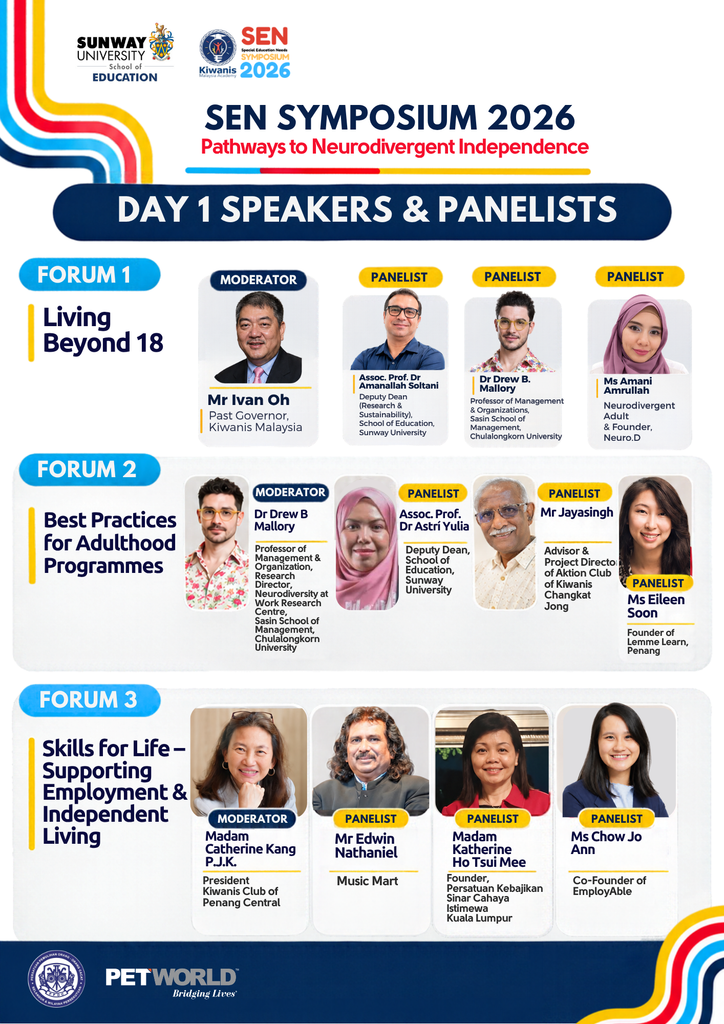
Three forums will examine:
- Living Beyond 18: A Personal Journey to Independence — exploring lived experiences and different pathways into adulthood.
- Best Practices for Adulthood Programmes — examining approaches to meaningful post-school support.
- Skills for Life: Supporting Employment and Independent Living — discussing vocational preparation, employment and essential life skills.
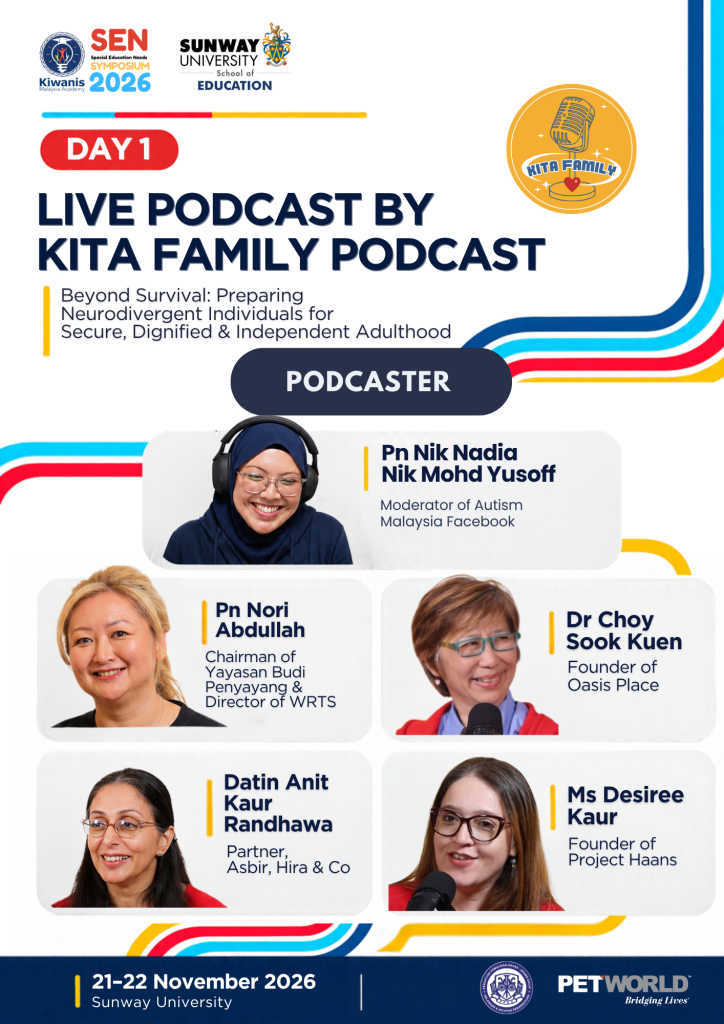
The day will also feature the KKJF Honoring Change-Makers Recognition 2026 and a live podcast session.
Day 2 — Sunday, 22 November: From Conversation to Action
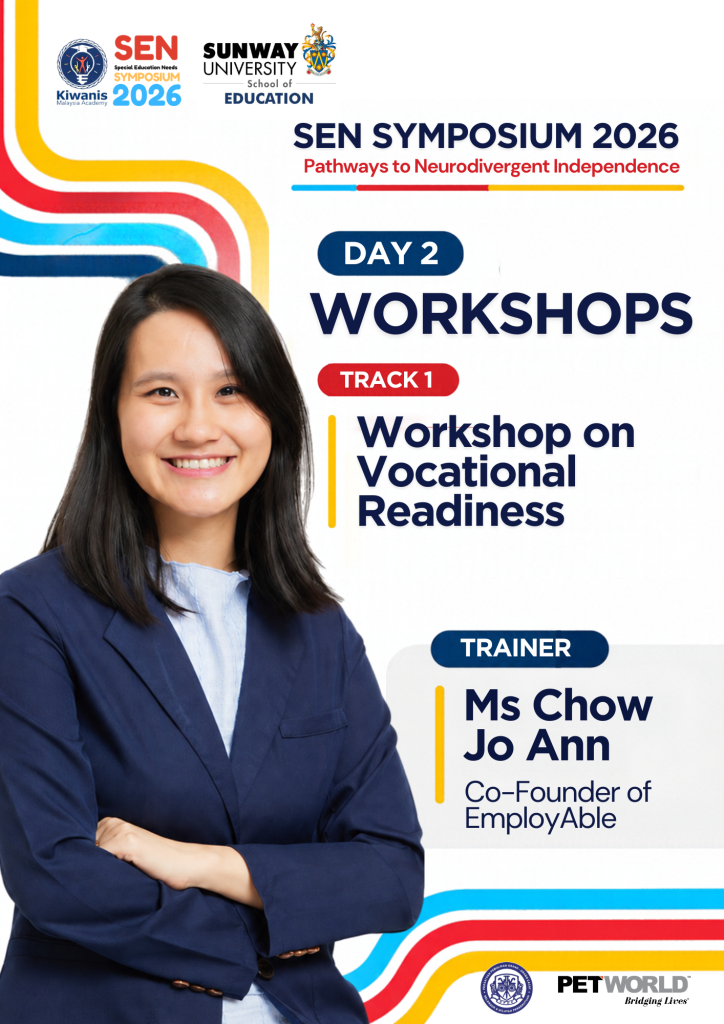
The second day focuses on practical workshops across four areas:
- Vocational Readiness
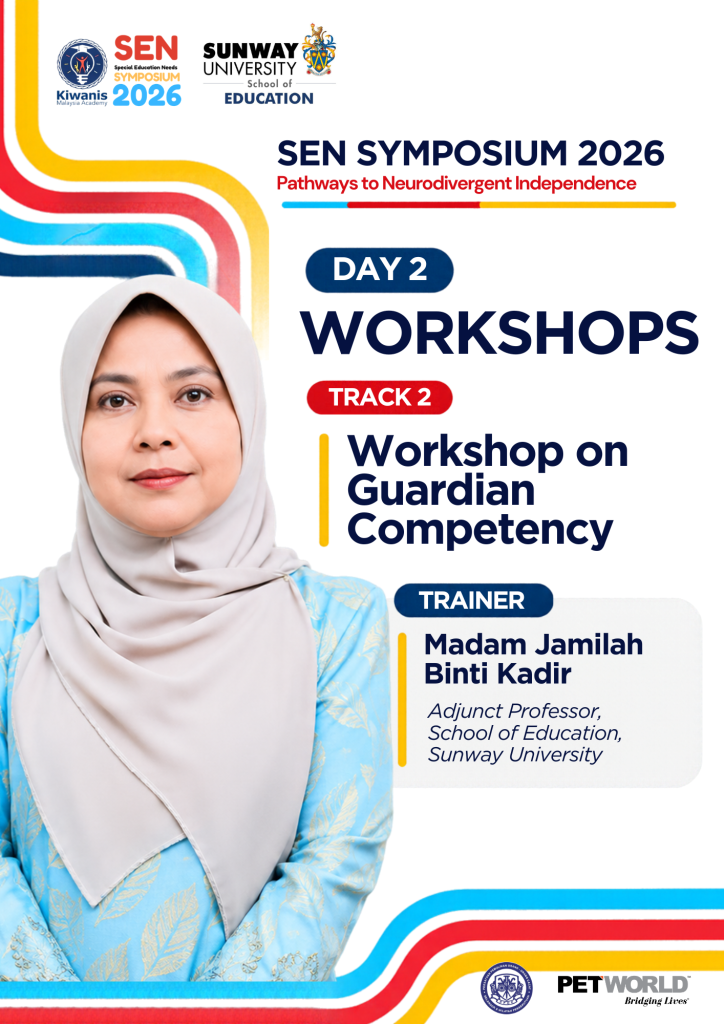
- Guardian Competency
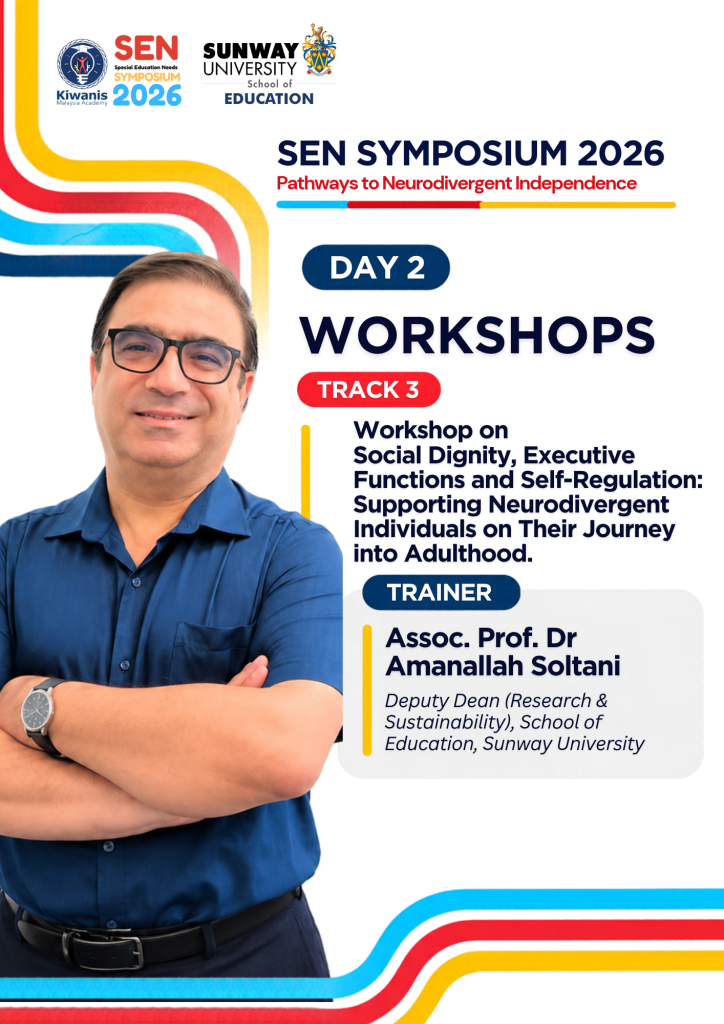
- Social Dignity and Guiding Neurodivergent Children into Adulthood
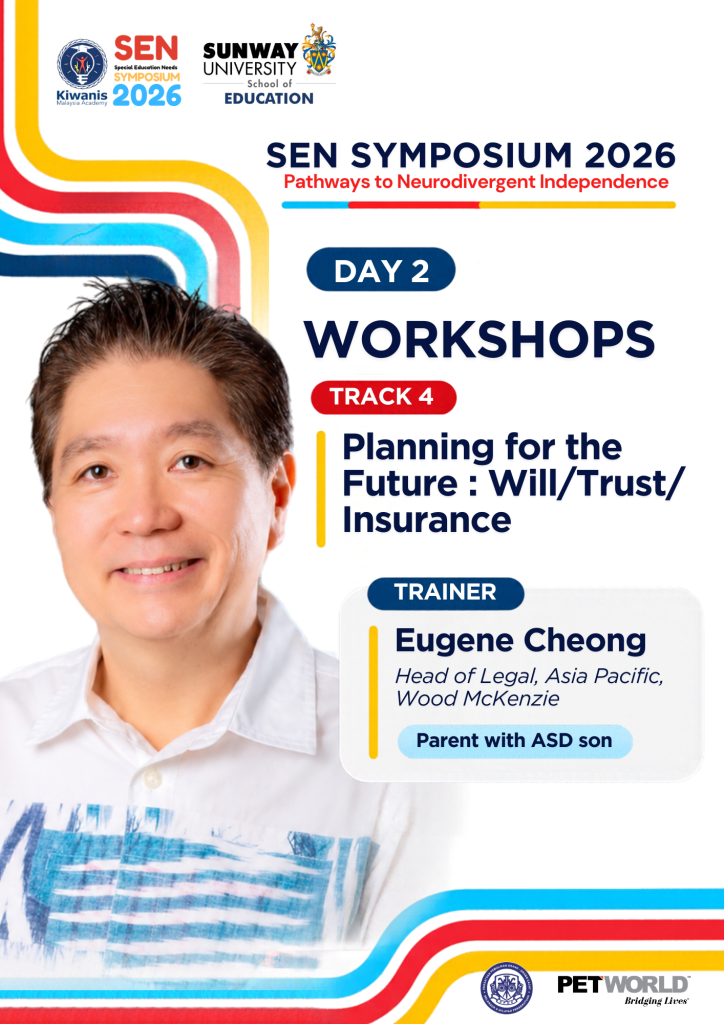
- Planning for the Future: Wills, Trusts and Insurance
The final workshop is particularly relevant to families concerned about long-term care, financial security and what happens when parents or primary caregivers are no longer able to provide support.
Together, the two days aim to encourage not only discussion, but also the sharing of knowledge, strategies and potential collaborations.
Why This Conversation Matters to All of Us
It can be tempting to think that conversations about adulthood are relevant only to parents of teenagers or young adults.
But the foundations of adulthood are laid much earlier.
The opportunities children receive to communicate, make decisions, build relationships and develop everyday skills can influence their participation later in life.
Educators need to understand how learning connects with real-world independence.
Therapists need to consider how intervention goals translate into everyday participation.
Employers need to recognise that inclusive employment requires more than goodwill.
Policymakers and service providers need to consider what happens when young people move beyond the systems designed primarily for children.
And parents need spaces where they can ask difficult questions, learn from others and begin planning without feeling that they must have all the answers.
The KMA x SOE SEN Symposium 2026 offers an opportunity to bring these perspectives together.

The Future Does Not Begin at 18
For many parents, thinking about their neurodivergent child’s adulthood brings a mixture of hope and uncertainty.
We want our children to be safe.
We want them to be accepted.
We want them to have opportunities to learn, work, form relationships and enjoy life.
And we want to know that they will continue to be valued and supported even when we are no longer around.
These hopes should not be considered unrealistic or exceptional.
They are aspirations that every family should be able to have for their children.
But meaningful change requires more than awareness. It requires planning, collaboration and a willingness to build support systems that extend beyond childhood.
The future does not begin when a child turns 18. It begins with the choices, opportunities and support we create today.
And that is a conversation worth being part of.
Be Part of the KMA x SOE SEN Symposium 2026
Theme: Pathways to Neurodivergent Independence
Dates: 21–22 November 2026
Venue: Sunway University, Bandar Sunway
Registration fees:
- Full two-day symposium pass: RM400
- Day 1 symposium pass: RM280
Day 2 workshops are available only with the full two-day pass.
Whether you are a parent, caregiver, educator, therapist, employer, researcher or advocate, join this important conversation about creating better pathways into adulthood for neurodivergent individuals.
Find out more and register here.


 English
 Malay