

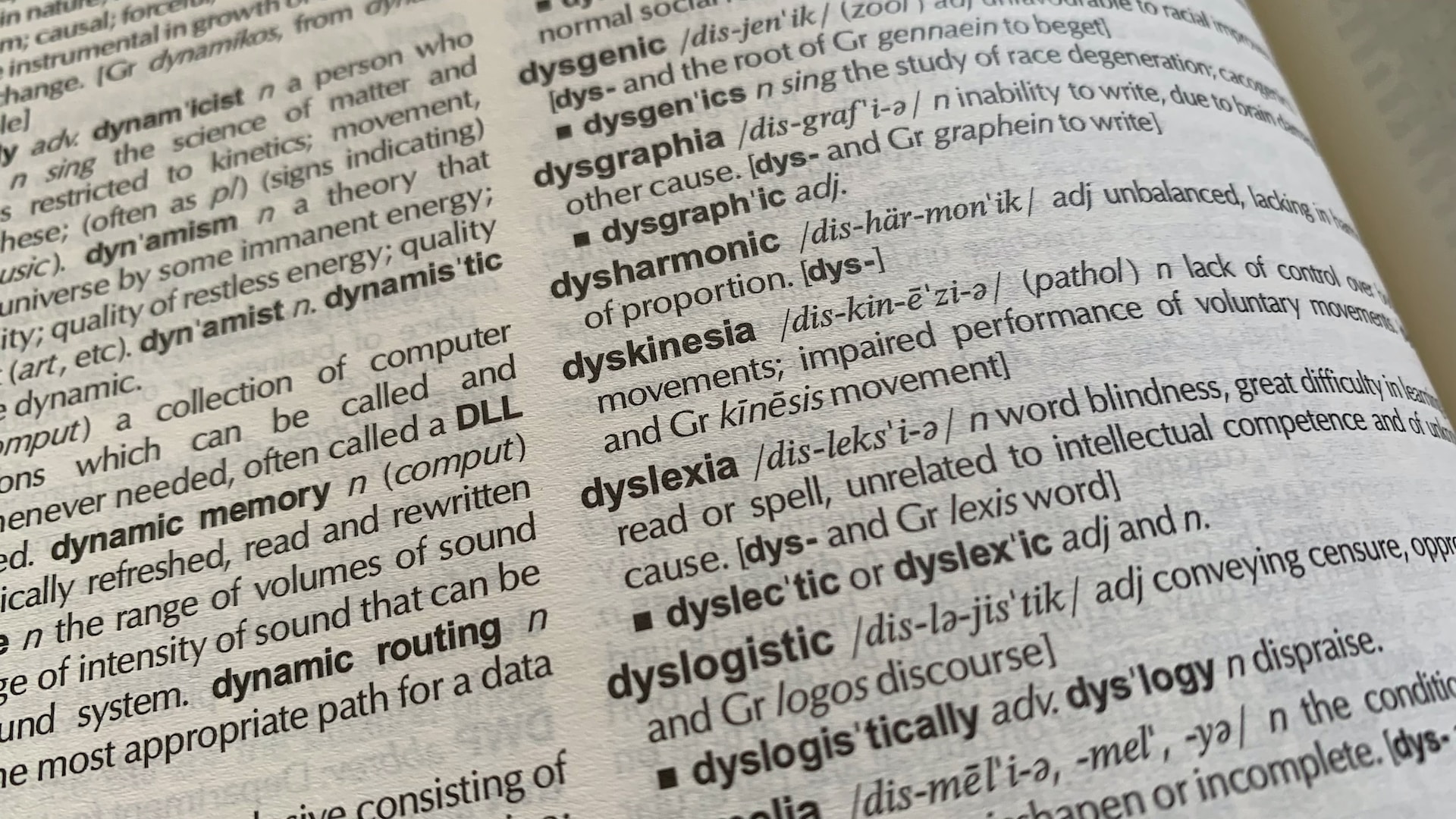

Teaching children with dyslexia to read requires a specialized approach that addresses their specific learning needs. Dyslexia is a learning difference that affects a person’s ability to read, write, and spell, but it does not reflect intelligence. As with all disabilities, dyslexia is also plagued with many misconceptions. With the right strategies and support, children with dyslexia can become proficient readers. Here are some effective techniques for teaching children with dyslexia to read:
Multi-Sensory Approach
Engage multiple senses during the learning process. Use methods that involve seeing, hearing, and touching, as this helps reinforce connections in the brain. For example, use letter tiles or sand trays to trace letters while saying the corresponding sounds.

Phonics Instruction
Phonics is crucial for dyslexic learners. Teach the relationship between letters and sounds systematically. Start with basic phonetic sounds and gradually introduce more complex phonics rules.
Sight Words
Dyslexic learners often struggle with decoding and recognizing words by sight can help them with frequently used words. Use flashcards or other games to reinforce sight word recognition.
Reading Programs
Utilize structured reading programs designed for dyslexic learners. Examples include Orton-Gillingham, Wilson Reading System, and Lindamood-Bell programs. These programs are based on multi-sensory approaches and explicitly address the challenges faced by dyslexic students.
Reading Assistive Technology
Assistive technology tools, such as text-to-speech software, can be beneficial for dyslexic children. These tools can help with decoding, reading comprehension, and reduce reading-related anxiety.

Individualized Instruction
Tailor the teaching to the child’s specific needs and strengths. Recognize that each child with dyslexia is unique and may require different approaches.
Break Tasks Down
When teaching new skills, break them down into smaller, manageable steps. Provide ample practice and reinforcement for each step before moving on to the next.
Encourage Reading Aloud
Encourage dyslexic children to read aloud, as this can improve their decoding skills and build confidence.
Provide Positive Reinforcement
Dyslexic learners may experience frustration, so it’s essential to provide positive reinforcement and praise their efforts. Create a supportive and understanding environment where mistakes are seen as part of the learning process.

Focus on Comprehension
Reading isn’t just about decoding words; it’s about understanding the content. Work on reading comprehension skills through discussions, questions, and activities related to the reading material.
Regular Practice
Consistency is essential for dyslexic learners. Regular practice, even in short sessions, can lead to steady progress.
Supportive Environment
Collaborate with parents, teachers, and other support professionals to create a supportive and inclusive learning environment for the child with dyslexia.

Remember that teaching children with dyslexia may require more time and patience, but with the right approach and support, they can become successful readers. Early identification and intervention are crucial, so if you suspect a child may have dyslexia, it’s essential to seek professional assessment and support as soon as possible.



 Malay
Malay  English