


By Desiree Kaur
What is it?
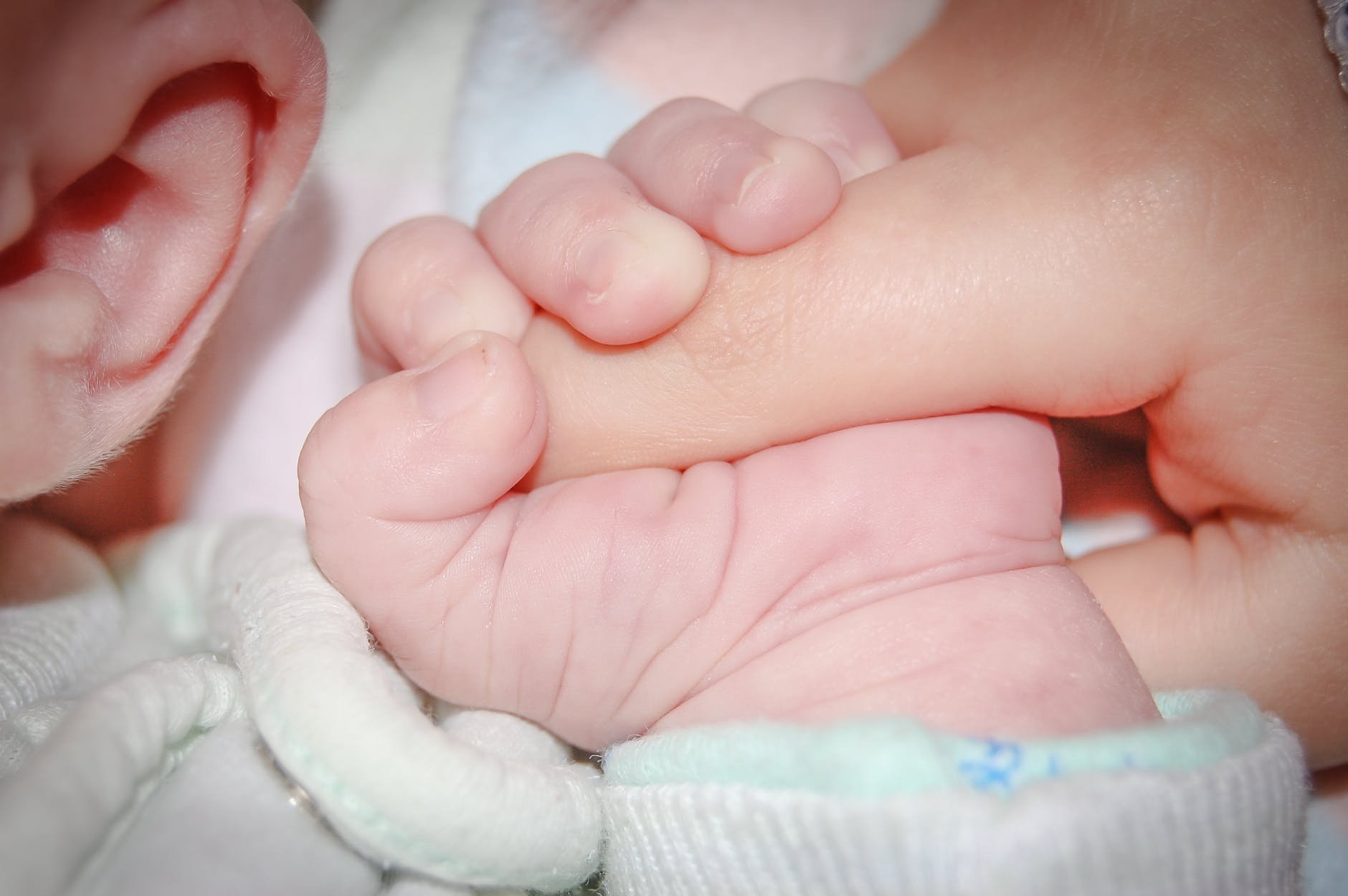
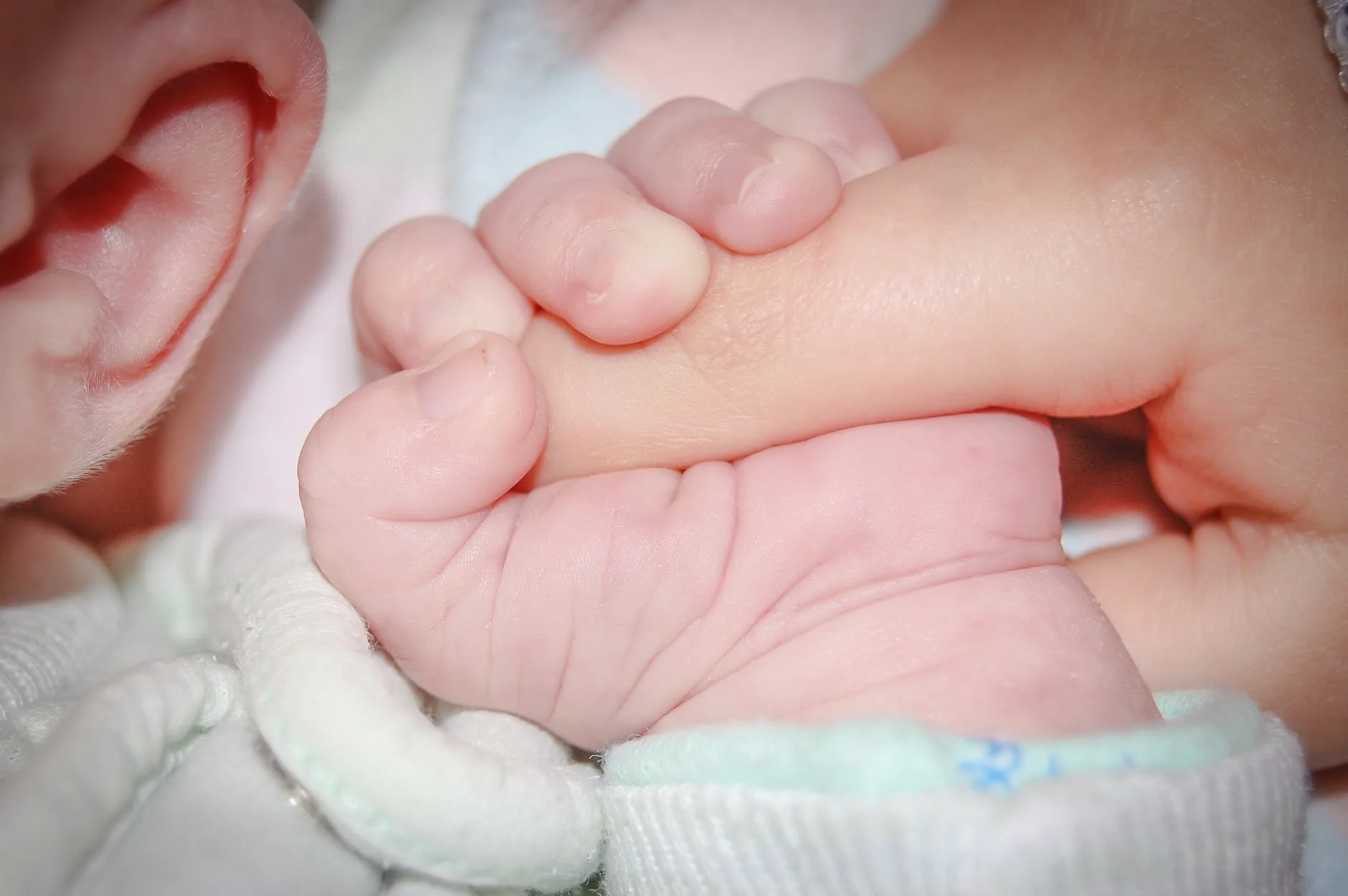
Primitive reflexes also known as newborn reflexes, are involuntary motor responses originating in the brainstem. It is present after birth in early child development. A common example of primitive reflexes is when a baby squeezes your finger. This is an involuntary movement of muscles which stem from the brains response. Over time, as the brain matures, and the central nervous system replaces the involuntary movements to voluntary responses. There are several types of primitive reflexes, namely:
- Palmar grasp
- Plantar reflex
- Sucking
- Rooting
- Galant
- Moro (startle)
- Stepping
- Asymmetrical tonic neck reflex (ATNR)
- Symmetric tonic neck reflex (STNR)
To learn more about each of the primitive reflexes, click here.
Primitive Reflexes and Neurodiversity…
Since the 1960s, studies have been ongoing on this topic. In 1998, Dr. Phillip Teitelbaum noted that a number of infants who crawled, walked, and rolled over, differently as infants; were later diagnosed with autism. There were 17 participants in this study. Although the number was not significant, neurodivergent adults find certain primitive reflexes challenging; such as telling left from right, impulse control or have vestibular challenges. All these are controlled by the central nervous system.
We had the opportunity to speak to a Neuroscience Physician to answer some questions on Primitive Reflexes and neurodiversity.

Dr Michael Bagnell is a Clinical Neuroscience Physician and Fellow of the American Board of Brain Injury Rehabilitation Physician. He is also a researcher, speaker and founder of the Bagnell Brain Center in Florida, USA. Dr Bagnell took the time to answer some of our questions on Primitive Reflexes and Neurodiversity.
What is the link between primitive reflexes and neurodiversity?
“Many neurodiverse individuals have these reflexes which are not adequately integrated. This may contribute to many neurologic effects which impact the individuals attention, focus, emotions, balance, mood and various other important integrative functions for performance.”
What does it mean when someone says, “primitive reflexes are retained”?
“Reflexes may be retained when they are present after the neurodevelopmental time that they should have integrated. They may also be referred to as persistent reflexes. They signal the inadequate integration of neural systems necessary for many functions.”
Can primitive reflexes be trained in toddlers who are not meeting key milestones?
“Yes, they can be trained and integrated in many toddlers. There are video resources available online created by many occupational therapists and functional neurologists. Youtube is a source for video explanations of the exercises.”
What about training primitive reflexes in adults?
Adults who are neurodiverse should consider evaluating these reflexes and if present, seek to integrate them for improved neuro-function in many domains of their life. Certain areas may create challenges from persistent primitive reflexes like motion sensitivity, emotional lability, sound and light sensitivities, coordination, and stress adaptation responses.
What are the benefits of strengthening primitive reflexes for neurodiverse individuals?
Improving neuro-integration is vital for numerous cognitive, affective (mood), and sensoriomotor abilities. Our goal in brain optimization is to assist all individuals achieve improved levels of function and resilience and these developmental components of their brain health.
For more information on Primitive Reflexes and Dr Bagnell’s area of specialty, visit the Bagnell Brain Center website here or follow him on Instagram here.



 Malay
Malay  English